
Blog
How to Check Chilli Powder for Adulteration at Home
Learn how to check chilli powder adulteration at home with water, rub, and cook tests. Spot brick dust, sand, or dye — and choose stone-ground Guntur-style pure spice in fresh 200g packs.
11 August 2026 · 6 min read
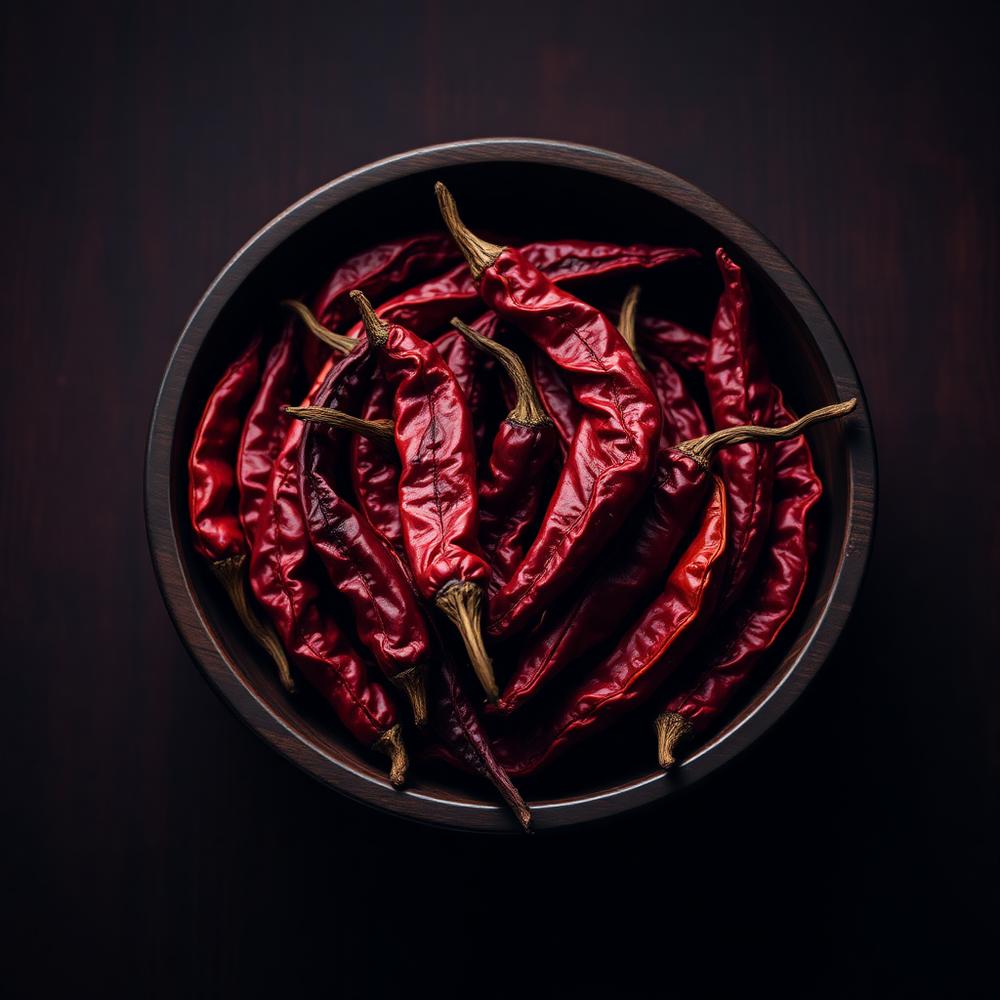
“How to check chilli powder adulteration” is a very real search in India — and for good reason. Red chilli powder is easy to bulk with brick dust, sand, or artificial colour. Your sabzi gets red. Your plate gets risk and disappointment. Home cooks deserve heat they can taste, not just colour they can see.
Here are simple checks you can do at home, what the results suggest, why stone-ground chilli tastes different, and how to buy smarter next time — including named-origin thinking around belts like Guntur and fresh 200g packing. Keep the focus on cooking and purity; these tests are kitchen tools, not lab certificates.
Why chilli powder gets adulterated
Bright red sells. Weak chilli looks dull, so dyes and fillers can be used to stretch a batch. Brick powder and sand add weight. The result can look fiery in the jar and taste oddly flat in the kadhai. Learning how to check chilli powder adulteration protects both flavour and peace of mind.
Good chilli should smell fruity and sharp, bloom in hot oil, and bring real heat. If all you get is redness without character, something is off — age, adulteration, or both.
India’s love of lal mirch makes the category busy: loose market powder, fancy jars, and everything between. Busy markets create shortcuts. That is why searches for how to check chilli powder adulteration spike after news stories and after a batch of sabzi that looks right but tastes empty. A few quiet tests at home restore some control before you cook for the whole family.
Water test for chilli powder
Add a teaspoon of chilli powder to a clear glass of water. Let it sit without aggressive stirring. Watch how colour spreads and what settles. Pure chilli softens and colours the water more evenly. Then check any heavy residue at the bottom.
- Gritty feel in the sediment can mean sand or brick powder.
- Soapy or oddly smooth residue can suggest soapstone-type fillers.
- Colour that explodes into neon red streaks may mean artificial dye.
- A natural powder still colours water — look for grit and weird dye behaviour, not “no colour at all.”
Rub a little of the settled grit between wet fingers. Sand feels sharp. Soft plant matter feels different. Trust that tactile clue — it is one of the simplest home checks you have.
Rub test, paper test, and smell
Rub dry powder between fingers. It should feel fine, not sandy. On a white paper, press a pinch and see whether colour looks natural red-orange versus ink-like. Smell the jar deeply: fruity and pungent is good; dusty, muddy, or chemical is not.
Compare with a trusted pack if you have one. Side-by-side differences in smell are often clearer than any single test done in isolation.
Another practical clue: stain behaviour on a steel spoon or white plate. Natural chilli leaves a warm red-orange tint. Dye-heavy powder can look inkier and more uniform, almost printed. No single clue convicts a pack alone, but patterns matter — grit plus neon colour plus chemical smell is a different story from one mild oddity on an otherwise fragrant powder.
Smell and heat check while cooking
Good chilli smells fruity and sharp when it hits hot oil. Bad chilli smells dusty or chemical. Also notice heat: some adulterated powders look fiery red but taste oddly flat — colour without character. Real chilli makes you respect the spoon; fake brightness without bite is a classic warning.
Bloom a small pinch in oil before you commit a whole teaspoon to a gravy. Your nose will tell you in seconds whether the pack belongs in tonight’s dinner.
Why stone-ground chilli tastes different
High-speed mills can heat the spice and drive off oils. Slow stone grinding keeps more aroma. That is why many home cooks prefer stone-ground red chilli when they want real flavour, not just redness. Beyond Spices Stone Ground Red Chilli is packed for that difference — heat you can taste in a fresh 200g size.
Stone-ground texture can feel slightly different from ultra-fine commercial powder. That is not adulteration — it is grind style. Pair the cooking test with the water test so you are not confusing character with contamination.
Smarter way to buy chilli powder
Look for named origin thinking — Guntur is famous for a reason — small fresh packs, and brands that do not hide behind “premium masala” with no place story. Prefer no-dyes language and readable lab reports when available. Start with less in the pan; real chilli often needs a lighter hand.
Buy for the week and month you will cook, not for an imaginary year of storage. A fresh 200g pouch of stone-ground pure spice beats a giant jar that sits open beside the hob. Store what you buy the same way you protect turmeric and coriander: airtight, cool, dark, dry spoon only. Adulteration checks matter; so does not letting a good pack die on the shelf.
Build balance on the shelf too: Lakadong Turmeric for gold, Coriander Powder for body, Whole Jeera for tadka, and Rajwada Garam Masala for the finish. Chilli is only one voice in the chorus.
FAQ: chilli adulteration checks
- Can home tests prove a brand is safe forever? No — they are screening tools. Combine them with better buying habits.
- Why does my chilli clump? Often moisture from wet spoons or steam — storage issue as much as quality.
- Is brighter always better? No. Natural red with aroma beats neon red with no smell.
- Whole chillies or powder? Whole lasts longer; powder is convenience — buy powder fresh and smaller.
Closing: choose heat with a name
Once you know how to check chilli powder adulteration at home, shady neon jars lose their appeal. Choose stone-ground, fresh 200g pure spice, and cook with your nose. Explore the Everyday Essentials Bundle or the Complete Kitchen Bundle when you want the full staple set.
More kitchen guides live on the blog, and the wider pantry is in the shop. Your next tadka should smell like chilli — not like dust or dye.
Shop related