
Blog
How to Check Turmeric Purity at Home (Simple Water Test)
Learn how to check turmeric purity at home with easy water, rub, and smell tests. Spot common haldi adulteration, understand what bright yellow colour really means, and buy pure spice with confidence.
14 July 2026 · 7 min read
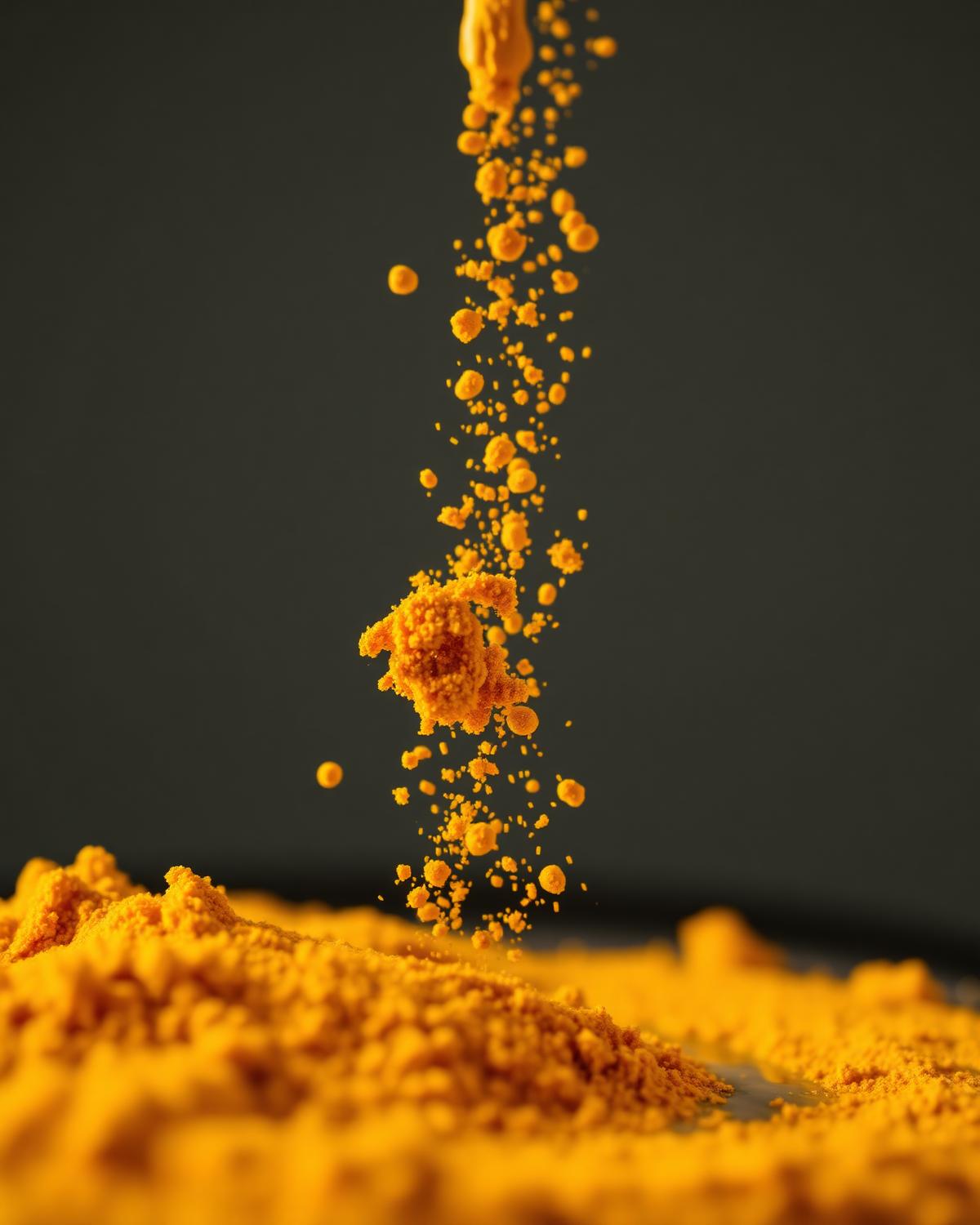
If you have ever typed “how to check turmeric purity at home” into Google, you are not alone. Haldi sits in almost every Indian kitchen — dal, sabzi, marinades, haldi doodh — and it is also one of the spices most often mixed with cheap colour, starch, or fillers. A pack can look perfect on the shelf and still feel off in the pan.
You do not need a lab for a first check. A glass of water, a clean spoon, and a teaspoon of turmeric can tell you more than a fancy label. Below is a practical kitchen guide: how to run the tests, how to read the results, what fake turmeric often contains, and how to buy better next time — including why named-origin powders like Lakadong Turmeric matter.
Why turmeric purity became a kitchen worry
Turmeric sells on colour. Shoppers reach for the brightest yellow jar, and that habit creates room for adulteration. Metanil yellow and other dyes can make weak powder look “premium.” Starch or flour can add weight. Chalky fillers can change the feel of the powder between your fingers. None of that belongs in food — and none of it improves a tadka.
News cycles keep the search alive because families want a pure spice they trust every day. Home tests are not a courtroom verdict, but they are a useful first filter when a new pack smells flat, stains oddly, or colours food like highlighter ink. Think of them as kitchen sense, not medical diagnosis — cooking and purity first.
The water test (easiest method)
Take a clear glass of lukewarm water. Add about one teaspoon of turmeric powder. Do not stir hard at first — drop it in and watch for 30–60 seconds. Then give one gentle swirl and wait again. This is the test most people mean when they ask how to check turmeric purity at home.
- Pure turmeric usually settles slowly and leaves the water lightly yellow or golden — natural, not neon.
- If you see a bright fluorescent streak spreading fast through the water, artificial colour is a real possibility.
- Sawdust, husk, or light fillers can float on top while genuine powder sinks more evenly.
- Heavy grit that feels sandy at the bottom may point to mineral fillers rather than clean ground rhizome.
Compare two samples side by side if you can — your current jar versus a trusted pack. The difference in how colour releases is often obvious. Pure spice colours food; it does not paint the glass like dye.
The rub test and the smell test
Rub a pinch between dry fingers. Real turmeric feels soft and powdery, with a gentle earthy stain. If it feels gritty, sandy, or oddly chalky, fillers may be present. If it feels oddly shiny or soapy, pause before you cook with it. Rinse your hands and notice whether the stain washes off easily or clings like synthetic colour.
Smell matters as much as colour. Fresh, good-quality turmeric has a warm, woody, slightly bitter aroma. Dull cardboard smell usually means old stock or weak powder. A sharp chemical note is a red flag. Crush a little between your palms — aroma should bloom, not disappear.
What bright yellow colour really means
Natural haldi is deep gold, not highlighter yellow. High-curcumin roots — the kind associated with Lakadong from Meghalaya — look rich and warm. Loud neon colour on a very cheap pack is not automatically “better turmeric.” Often it is the opposite: weak powder dressed up with dye so it wins the eye test on a crowded shelf.
In cooking, pure turmeric gives a clean golden tint to dal and sabzi. Overly dyed powder can look dramatic in the jar and still taste flat, or leave an odd aftertaste. Trust your tongue as much as your eyes. If you need less powder to get colour and aroma, that is usually a good sign of strength — not of adulteration.
What fake or mixed turmeric often contains
People search this topic because stories keep appearing: metanil yellow for louder colour, starch or flour to bulk the pack, chalk or other powders to change texture and weight. Sometimes the mix is mild and mostly disappointing in the pan. Sometimes it is worse. Either way, your kitchen deserves a pure spice you can name.
- Artificial dyes used to fake a “perfect” yellow.
- Starch or cereal fillers that add weight without flavour.
- Gritty mineral matter that shows up in the water or rub test.
- Old, mixed-origin powder sold without any place name on the pack.
Home tests catch clues. They do not replace careful buying. If a pack fails the water test badly, stop using it for daily cooking and choose a fresher, better-sourced option from a brand that talks about origin and testing.
A better habit than endless home tests
Home tests help when you already bought a jar. For the next pack, change the habit: buy turmeric with a named origin, a size you will finish while it is still aromatic, and proof that dyes were checked. Lakadong turmeric from the Jaintia Hills of Meghalaya is known for deep natural colour and higher curcumin talk for a reason — the rhizome itself carries strength, so there is less incentive to fake the look.
Prefer a fresh 200g pouch over a giant jar that sits open for a year. Store it airtight, away from the stove, with a dry spoon — the same rules that keep any masala alive. You can read more kitchen habits on our blog, and when you want the full pantry reset, browse the shop.
How Beyond Spices approaches turmeric
We pack Lakadong Turmeric for everyday Indian cooking — deep natural colour, no dyes, and lab reports you can actually read. It is the kind of haldi that smells like spice when it hits hot ghee, not like chemistry. If you are rebuilding the core shelf, the Everyday Essentials Bundle pairs turmeric with jeera, coriander, and chilli; the Complete Kitchen Bundle goes further for a fuller masala setup.
FAQ: common questions about checking turmeric at home
- Is the water test enough on its own? It is a strong clue, especially for obvious dye. Pair it with rub and smell for a fuller picture.
- Can pure turmeric still colour water yellow? Yes — lightly and gradually. Neon streaks that race through the glass are the worry.
- Does high curcumin mean the powder is pure? Higher curcumin often means richer colour and depth, but purity still depends on no dyes and no fillers. Origin plus testing beats marketing words.
- How often should I re-check a open jar? If aroma fades or clumps appear, freshness is the issue — replace rather than keep testing a dull pack.
Closing: trust your senses, then upgrade the pack
Learning how to check turmeric purity at home is really about paying attention — colour release in water, texture on the fingers, smell in the pan. Once you know what honest haldi feels like, cheap bright jars lose their charm. Choose named-origin pure spice, finish it while it is fresh, and keep your tadka tasting like home.
Ready for a better jar? Start with Lakadong Turmeric, or stock the staples together with the Everyday Essentials Bundle. Your next dal should smell like spice — nothing else.