
Blog
How to Make Chicken Tikka at Home (Tandoori-Style)
How to make juicy chicken tikka at home in oven, tawa, or air fryer — hung-curd marinade, spice mix that tastes restaurant-like, and char tips without a clay tandoor.
1 September 2026 · 6 min read
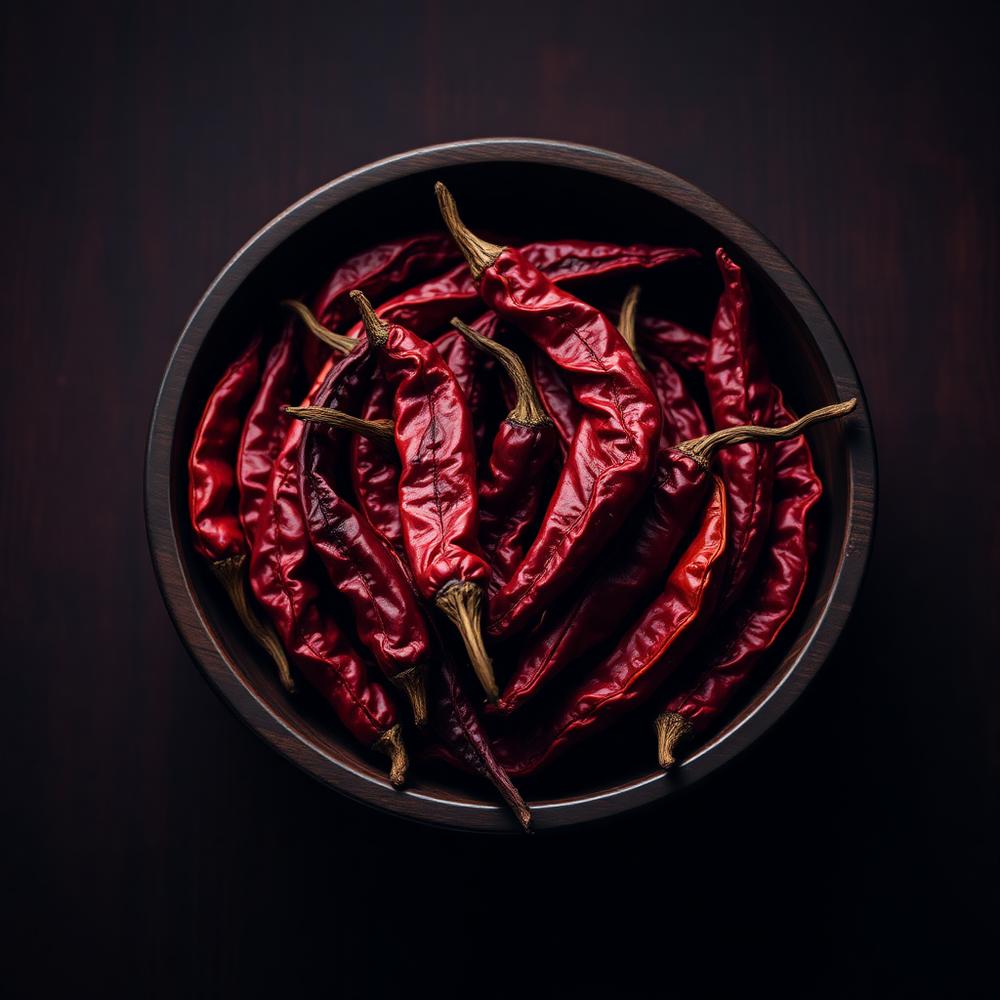
If you want a clear, practical guide on how to make chicken tikka, this method is built for a normal Indian home kitchen — not a restaurant pass. Juicy tikka is a marinade problem solved: hung curd, acid, salt, and a balanced spice mix that clings to chicken pieces without turning into watery slurry. Making chicken tikka at home gives you control over oil, salt, heat, and freshness, which is usually why the result tastes cleaner than a rushed takeaway version.
High heat and a short cook finish the job. A tandoor helps char, but oven grill, air fryer, or a well-used tawa can still deliver browned edges. Read through once, gather everything, then cook without multitasking on the critical steps. The difference between average and excellent chicken tikka is usually timing, moisture control, and seasoning — not expensive gadgets.
Why make chicken tikka at home (and mistakes to avoid)
Restaurant tikka often relies on colour and hanging time. At home you control spice freshness, oil, and how long the chicken rests in the marinade. Restaurant colour often comes from more than spices. At home, hung curd, proper chilli-turmeric balance, and high heat matter more than food colour.
Using runny dahi waters the marinade. Over-marinating in strong acid can make the surface mealy. Cooking on low heat steams instead of sears. Cutting pieces unevenly means some dry out while others stay underdone.
Ingredients for chicken tikka
- 500 g boneless chicken (thigh preferred for juiciness), bite-size pieces
- ½ cup hung curd
- 1 tbsp ginger-garlic paste
- Spices: chilli powder, turmeric, coriander powder, cumin powder or crushed jeera, garam masala, salt
- 1 tbsp oil or mustard oil
- Lemon juice, optional kasuri methi
Thigh pieces stay juicier than breast for beginners. Pat chicken dry before coating so the marinade clings instead of sliding into a puddle.
Make hung curd and marinade
Hang curd in cloth 20–30 minutes until thick. Mix with ginger-garlic, spices, salt, lemon, and oil into a thick paste.
Coat chicken well. Marinate at least 1–2 hours; overnight is better for flavour, not mandatory for tenderness if pieces are small.
Cook hot and fast enough
Thread on skewers or spread on a rack. Oven/grill or air fry until cooked through with browned edges. Tawa: cook in a lightly oiled pan, turning for colour.
Do not stew in leftover thin marinade — pat excess if it is watery.
Rest and finish
Rest a couple of minutes. Squeeze lemon, sprinkle chaat masala if you like, and serve with onions and mint chutney.
Use leftover tikka in rolls or butter chicken gravy the next day.
Spice and seasoning tips
Tikka colour should come from turmeric and chilli quality, not red colour powder. Fresh chilli powder tastes cleaner on grilled chicken.
Coriander builds the marinade body; jeera adds aroma; garam masala finishes. Blooming is limited in a cold marinade, so spice freshness matters even more.
When you season chicken tikka, spice quality shows up immediately. Keep Lakadong Turmeric for classic tikka colour, Stone Ground Red Chilli for tandoori heat, Coriander Powder for earthy marinade body, Whole Jeera for cumin aroma in the mix, Rajwada Garam Masala as the fragrant finish, and Complete Kitchen Bundle when you want every tikka spice in one kit. Bloom powdered spices briefly in hot oil where the recipe allows, and add finishing garam masala off the heat so the aroma stays bright.
Variations, storage, and troubleshooting
- Thigh meat forgives better than breast
- Mustard oil gives a sharper dhabba note if you like it
- Dry tikka: overcooked or too lean a cut
- Pale tikka: heat too low or marinade too wet
- Air fryer: do not overcrowd; cook in batches
- Baste lightly with oil or ghee mid-cook for sheen
Marinated raw chicken keeps refrigerated up to a day; cooked tikka refrigerates 2 days and reheats best under dry heat. If something goes wrong the first time, note whether the issue was moisture, heat, or seasoning — then adjust only one variable on the next batch of chicken tikka.
Timing and texture notes for better chicken tikka
Hang the curd while you cut chicken and measure spices. A thick marinade is worth that short wait. Thin dahi is the most common reason homemade tikka tastes boiled instead of grilled.
Cooked tikka should show browned edges and stay moist inside. Dry chalky pieces mean overcooking or an overly lean cut. Pale soft pieces mean heat was too low — you steamed in marinade instead of searing.
Mustard oil in the marinade gives a sharper dhabba note if you like it; neutral oil keeps flavours milder. Either works with fresh chilli and garam masala.
Oven, air fryer, and tawa all succeed when pieces are spaced. Crowding makes steam. Work in batches rather than stacking for speed.
Leftover tikka becomes butter chicken the next day or rolls with onion and chutney. Cook once, eat twice — that is home-kitchen logic.
Rest cooked tikka two minutes before serving so juices settle. Slicing or biting immediately pushes moisture onto the plate instead of into the bite.
If you want deeper char without a tandoor, finish tawa-cooked pieces under a hot oven grill for a minute, watching constantly. A small piece of charcoal in a bowl with ghee inside a covered pot gives dhungar smoke for special nights — optional theatre, not required for good tikka.
Marinade spices should taste vivid raw because they never get a long fry. That is why pouch freshness matters here even more than in simmered curries. Dull chilli makes greyish tikka that no grill mark can save.
Skewers help even cooking and make turning neat, but a rack works fine too. Oil the rack so marinade does not glue pieces down. Catch drips on a tray beneath to keep the oven clean and to avoid smoking residue that makes the next bake taste like last night's tikka.
Get the spices ready for chicken tikka
Once how to make chicken tikka feels easy, the upgrade is a spice shelf that still smells like itself. Restock from the shop, keep reading practical guides on the blog, and cook the next batch while your seasoning is still vivid. Tikka is where a complete spice kit earns its place on the shelf.
Shop related