
Blog
How to Make Paneer at Home Soft and Fresh
Step-by-step guide to make soft homemade paneer with full-fat milk and lemon or vinegar — pressing tips, storage, and how to use fresh paneer in everyday sabzis and gravies.
22 August 2026 · 6 min read
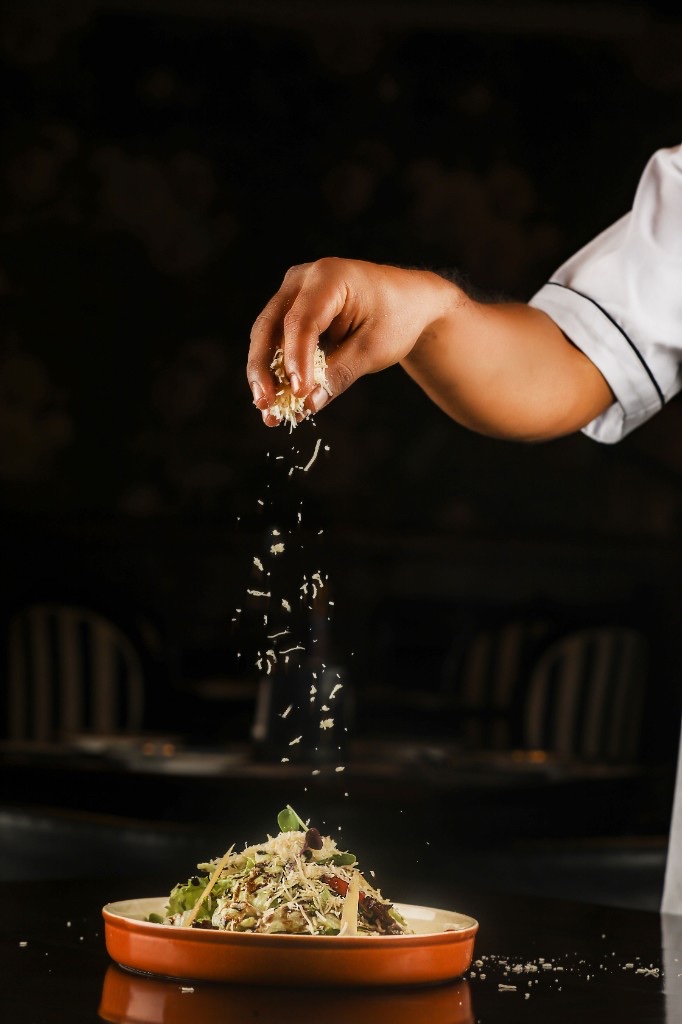
If you want a clear, practical guide on how to make paneer at home, this method is built for a normal Indian home kitchen — not a restaurant pass. Soft homemade paneer needs only milk, an acid, a clean cloth, and a little weight — no fancy gadgets. Making paneer at home gives you control over oil, salt, heat, and freshness, which is usually why the result tastes cleaner than a rushed takeaway version.
In under 30 minutes you get fresh chhena pressed into a block that cubes cleanly for sabzi, bhurji, or quick tikka-style marination. Read through once, gather everything, then cook without multitasking on the critical steps. The difference between average and excellent paneer is usually timing, moisture control, and seasoning — not expensive gadgets.
Why make paneer at home (and mistakes to avoid)
Store paneer is often pressed hard for shelf life and can taste rubbery. Homemade paneer is softer, and you control firmness by press time. Factory paneer is engineered to travel; homemade paneer is engineered to taste soft the same evening you cook matar paneer.
Low-fat milk gives poor yield and grainy texture. Adding acid before a full boil weakens curds. Boiling hard after curdling toughens proteins. Skipping the rinse after vinegar leaves a sharp smell.
Ingredients for paneer
- 1 litre full-fat milk (toned works; full-fat is richer)
- 2–3 tbsp lemon juice or 1–2 tbsp white vinegar diluted in 2 tbsp water
- Clean muslin or thin cotton cloth
- Colander, bowl for whey, and a weight (plate plus mortar or filled box)
- Optional ice water to firm the block after pressing
Full-fat milk is worth it. If you only have toned milk, expect a slightly smaller yield and press a little more gently so the block does not turn chalky.
Bring milk to a boil and curdle
Heat milk in a heavy pan, stirring so it does not catch. At a full boil, lower heat and add acid gradually while stirring gently until white curds separate from pale whey.
If separation is incomplete, add another teaspoon of acid. Switch off as soon as curds form clearly — continued hard boiling makes paneer chewy.
Drain, rinse, and press
Pour through cloth-lined colander. Rinse briefly if you used vinegar. Gather the cloth, squeeze gently, shape a slab, and press 20–40 minutes depending on how firm you want it.
Shorter press for soft crumbling into bhurji; longer press for neat gravy cubes. Unwrap and cut. For best texture, use the same day.
Cook with fresh paneer
For bhurji, crumble into a tadka of onion and tomato. For gravy, simmer cubes briefly so they stay soft. Fresh paneer absorbs marinade faster than factory blocks — often 20 minutes is enough.
Save whey for kneading dough or cooking dal if you like; it should not go to waste.
Spice and seasoning tips
Fresh paneer is mild, so spice bloom matters. Crackle jeera in ghee or oil, then build onion-tomato before adding crumbled paneer.
A pinch of turmeric gives colour without food colour. Finish richer gravies with garam masala off the heat so the aroma stays bright.
When you season paneer, spice quality shows up immediately. Keep Whole Jeera in the bhurji tadka for aroma, Lakadong Turmeric for warm colour in the masala, Coriander Powder to round tomato-onion bases, and Rajwada Garam Masala as a finishing pinch on restaurant-style gravy. Bloom powdered spices briefly in hot oil where the recipe allows, and add finishing garam masala off the heat so the aroma stays bright.
Variations, storage, and troubleshooting
- Herb paneer: mix crushed pepper into curds before pressing
- Salted snack block: light salt on the surface after pressing
- Low yield: milk was low-fat or under-boiled before acid
- Rubbery: overcooked after curdling or pressed too heavy too long
- Sour taste: too much vinegar — rinse longer and prefer lemon next time
- Store submerged in fridge water up to 2 days; change water daily
Best same day; refrigerated in water for up to two days with daily water changes. If something goes wrong the first time, note whether the issue was moisture, heat, or seasoning — then adjust only one variable on the next batch of paneer.
Timing and texture notes for better paneer
Have cloth and colander ready before you add acid. Curds should not sit boiling in whey while you hunt for a handkerchief. From boil to press can be under ten minutes of active work.
Soft paneer for bhurji needs less press time; cube-friendly paneer needs longer. If cubes crumble in gravy, press longer next batch. If they squeak, you boiled too hard after curdling or pressed under an extreme weight.
Rinse vinegar-set curds briefly under cold water to clear sharpness; lemon-set curds often need less rinsing. Always taste a crumb after pressing before you commit the block to a spiced gravy.
For tikka-style pieces, pat the paneer dry, then marinate in hung curd with chilli, turmeric, coriander, and a pinch of garam masala. Soft homemade paneer picks up marinade faster than rubbery store blocks.
Whey is useful: knead it into roti dough, cook dal with it, or cool and water plants once unsalted. Throwing it away is optional, not mandatory.
For malai paneer vibes, press lightly and cube large. For crisp-edged tawa paneer, press firmly, pat dry, and sear in a hot pan with minimal oil before the gravy meets it. Dry surfaces brown; wet surfaces steam.
Yield varies with milk brand and fat. Do not panic if one litre gives a smaller block than a YouTube thumbnail — press what you have and cook it well. Weighing the finished paneer once teaches you how your usual milk behaves so shopping lists get realistic.
For party trays, make paneer the morning of cooking and keep it chilled submerged in water. Pat dry before frying or marinating so surfaces brown. Wet paneer in a hot pan steams and sticks. Dry paneer sears and then finishes softly in gravy without falling apart if you pressed it enough.
Get the spices ready for paneer
Once how to make paneer at home feels easy, the upgrade is a spice shelf that still smells like itself. Restock from the shop, keep reading practical guides on the blog, and cook the next batch while your seasoning is still vivid. Pair soft paneer with a full spice set when you cook gravies often.
Shop related