
Blog
How to Make Crispy Pakora at Home (Onion & Mixed)
How to make crispy pakora that stay crunchy — besan batter tips, hot oil signs, onion pakora method, spice mix that works, and rainy-day troubleshooting for soggy fritters.
1 September 2026 · 6 min read
If you want a clear, practical guide on how to make crispy pakora, this method is built for a normal Indian home kitchen — not a restaurant pass. Crispy pakora needs thick-ish batter, hot oil, and vegetables that are not drowning in water. Soft pakoras usually mean thin batter or cool oil. Making pakora at home gives you control over oil, salt, heat, and freshness, which is usually why the result tastes cleaner than a rushed takeaway version.
Onion pakora starts by salting sliced onions so they release moisture into the besan — that natural liquid reduces how much water you add. Read through once, gather everything, then cook without multitasking on the critical steps. The difference between average and excellent pakora is usually timing, moisture control, and seasoning — not expensive gadgets.
Why make pakora at home (and mistakes to avoid)
Homemade pakoras let you control oil freshness and spice heat. Rice flour or cornflour in the mix boosts crunch without changing the soul of the snack. Monsoon pakoras go soggy when batter is thin or oil is cool. Thick clingy batter and honest heat fix most home failures.
Runny batter, overcrowded kadhai, flipping too early, and stale chilli in the mix create greasy or bland results. Microwave reheating destroys crunch.
Ingredients for pakora
- 2 cups sliced onions (or mixed veg: potato, spinach, cauliflower)
- 1 cup besan plus 1–2 tbsp rice flour
- 1 tsp chilli powder, ½ tsp turmeric, 1 tsp coriander powder
- ½ tsp crushed jeera or ajwain, salt, green chilli, coriander leaves
- Water sparingly — thick coating, not pancake batter
- Oil for deep frying
Salt onions first so they release water into the besan. That natural liquid means you add less free water and get better crunch.
Salt onions and mix batter
Toss onions with salt and wait 2–3 minutes so they weep. Add besan, rice flour, spices, herbs, and only enough water to coat. The mix should look shaggy and clingy.
Taste a tiny raw bit for salt and chilli — frying mutes seasoning slightly.
Fry in medium-hot oil
Heat oil until a drop of batter sizzles up without burning instantly. Drop small clusters. Do not overcrowd. Fry until deep golden, flipping as needed.
Drain on a rack, not a puddle of paper that steams them soft.
Serve and re-crisp leftovers
Serve with chutney and chai. Reheat leftovers on a hot tawa or in an air fryer. Mixed veg pakoras follow the same batter logic — keep pieces dry and not huge.
Ajwain aids digestion folklore aside, it also tastes right in pakora — use if you like the flavour.
Spice and seasoning tips
Pakora batter is a direct spice test. Fresh chilli and coriander make the difference between bland fried besan and addictive monsoon snacks. Turmeric is a colour pinch; jeera or ajwain brings aroma.
A light garam masala dust on hot pakoras is optional. Keep the Everyday Essentials set nearby — this is their natural habitat.
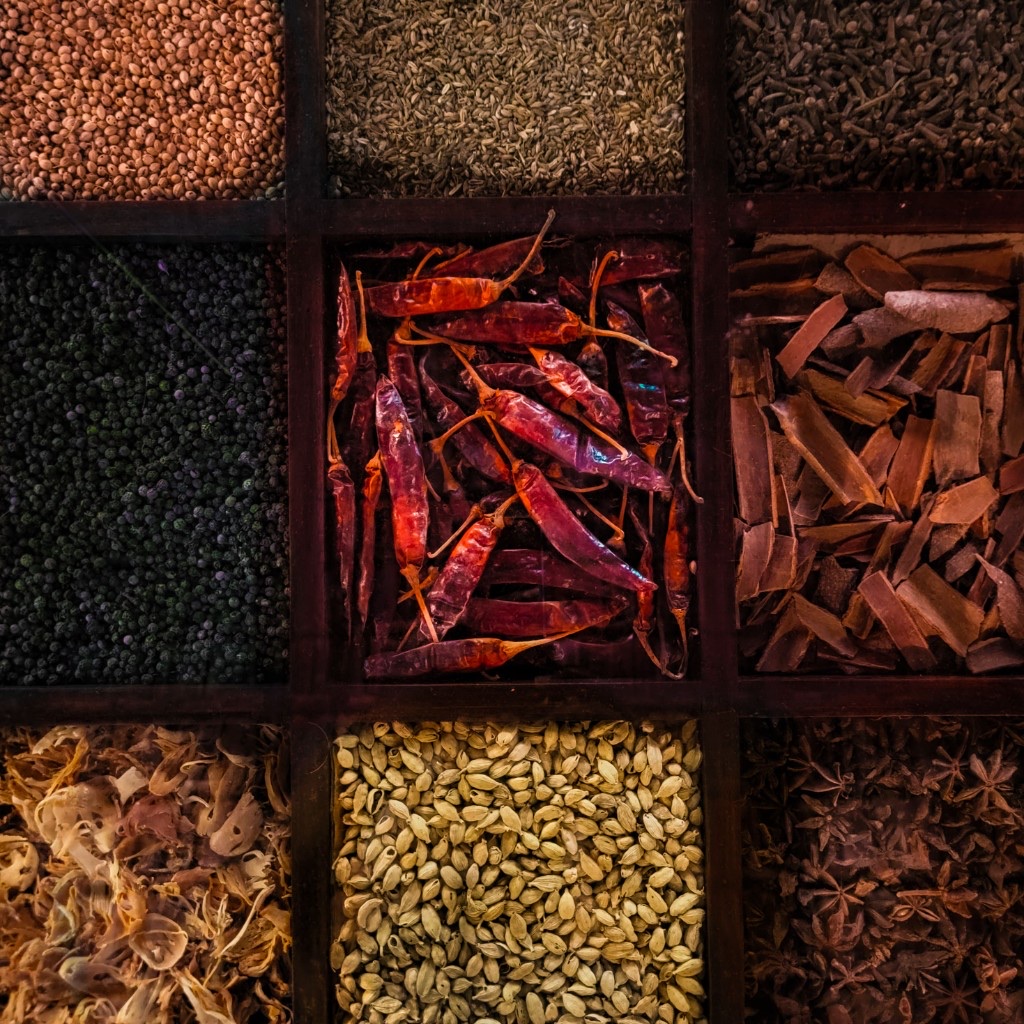
When you season pakora, spice quality shows up immediately. Keep Stone Ground Red Chilli in the batter for snack heat, Coriander Powder for earthy depth, Lakadong Turmeric for colour, Whole Jeera crushed into the mix for aroma, Rajwada Garam Masala as an optional finishing dust on hot pakoras, and Everyday Essentials Bundle so rainy-day frying spices stay ready. Bloom powdered spices briefly in hot oil where the recipe allows, and add finishing garam masala off the heat so the aroma stays bright.
Variations, storage, and troubleshooting
- Potato pakora: slice thin and dry well
- Spinach pakora: squeeze out washed leaf water
- Oil temperature drops if you add too many at once
- Pale greasy pakora: oil too cool
- Dark outside raw inside: oil too hot or pieces too large
- Rest batter 5 minutes if it looks loose — besan hydrates
Peak crunch is immediate; re-crisp with dry heat later the same day. If something goes wrong the first time, note whether the issue was moisture, heat, or seasoning — then adjust only one variable on the next batch of pakora.
Timing and texture notes for better pakora
Heat oil while onions sit with salt. Mix batter just before frying so it does not turn slack. Fry in small clusters — giant blobs brown outside and stay doughy inside.
Pakoras should be deep golden with a crisp shell and seasoned interior. Greasy pale fritters mean cool oil. Dark bitter shells mean oil that was too hot or spices that burnt on the surface.
Rice flour is the quiet crunch agent. A spoon or two in the besan changes the bite without turning pakora into a different snack.
Reheat on a tawa or air fryer. Microwave reheating is how yesterday's crunch becomes today's regret.
Fresh chilli and coriander in the batter matter as much as technique. Dull powder makes beautiful-looking pakoras that taste like fried flour.
Serve in a single layer on a wide plate, not a deep bowl that traps steam. Presentation here is functional: steam is the crunch thief even after perfect frying.
Mixed pakora platters work when each vegetable is cut for even frying: thin potato, squeezed spinach, cauliflower florets that are not huge. One batter can coat all if you mix bowls separately so watery veg do not flood the shared besan.
Chutney pairings: green chutney, tamarind, or a simple chilli-vinegar dip. The batter already carries chilli and coriander; dips should contrast, not clone the same spice profile at higher volume.
Ajwain or crushed jeera in the batter is a flavour choice as much as tradition. If someone at the table dislikes ajwain, make a small plain-onion bowl without it. One batter base, two seasoning finishes, fewer arguments during rain.
Get the spices ready for pakora
Once how to make crispy pakora feels easy, the upgrade is a spice shelf that still smells like itself. Restock from the shop, keep reading practical guides on the blog, and cook the next batch while your seasoning is still vivid. Crispy pakora is the simplest proof that fresh chilli, coriander, turmeric, and jeera still matter.
Shop related