
Blog
How to Make Noodles at Home (Street-Style Veg)
How to make tasty homemade noodles like street food — sauce mix, veggie tips, high-flame toss that prevents sogginess, and the chilli seasoning that makes them addictive.
29 August 2026 · 6 min read
If you want a clear, practical guide on how to make noodles at home, this method is built for a normal Indian home kitchen — not a restaurant pass. Hakka-style veg noodles at home succeed when the noodles are boiled just to chew, drained well, and tossed on high heat with a pre-mixed sauce. Making street-style noodles at home gives you control over oil, salt, heat, and freshness, which is usually why the result tastes cleaner than a rushed takeaway version.
Sogginess comes from overboiling, watery vegetables, and low-flame steaming in the wok. Keep everything ready before the pan gets hot. Read through once, gather everything, then cook without multitasking on the critical steps. The difference between average and excellent street-style noodles is usually timing, moisture control, and seasoning — not expensive gadgets.
Why make street-style noodles at home (and mistakes to avoid)
You control oil, MSG optional, and chilli heat. Fresh vegetables beat the limp mix often found in cheap takeaway boxes. Street-style noodles are a high-heat wok habit more than a long simmer. Home cooks who treat them like soft boiled pasta end up with a soggy tangle.
Rinsing noodles wrong (or not at all when needed), overcrowding a small pan, adding raw powdered spices without a sauce base, and cooking on low heat until vegetables weep water into the noodles.
Ingredients for street-style noodles
- 200–250 g noodles (hakka/egg/rice as preferred)
- Veggies: cabbage, carrot, capsicum, onion, spring onion — julienned
- Sauce: soy sauce, vinegar, chilli sauce or chilli powder, salt, pepper, pinch of sugar
- 1–2 tbsp oil
- Garlic and optional ginger
- Optional: turmeric pinch for colour in Indo-Chinese gravies served alongside
Julienne vegetables evenly so they cook in the same short toss. Mix the sauce in a cup before the pan is hot — you will not have time to measure mid-sizzle.
Boil noodles correctly
Cook noodles in salted water until just done — still springy. Drain. Toss with a few drops of oil if they will wait. Do not overboil; the pan toss continues softening them.
Prep all vegetables and mix sauce in a bowl before heating the pan.
High-flame toss
Heat oil until shimmering. Sauté garlic briefly, add firm vegetables first, then quicker ones. Keep heat high and movement constant.
Add noodles and sauce. Toss to coat evenly. Finish with spring onion. Total pan time should be short.
Adjust heat and serve immediately
Taste for salt, vinegar, and chilli. Street flavour is bold — homemade versions often underseason. Serve at once; holding under a lid softens noodles.
For gravy noodles, keep the base thicker than you think so it clings rather than puddles.
Spice and seasoning tips
Chilli powder can replace or bolster chilli sauce when you want heat without extra sweetness. Fresh chilli powder tastes brighter in the toss.
Turmeric is not traditional in hakka noodles, but a pinch appears in some Indo-Chinese restaurant gravies. Coriander is better in accompanying dips than dumped into the noodle toss. A jeera-chilli aroma oil is a fun fusion finish.
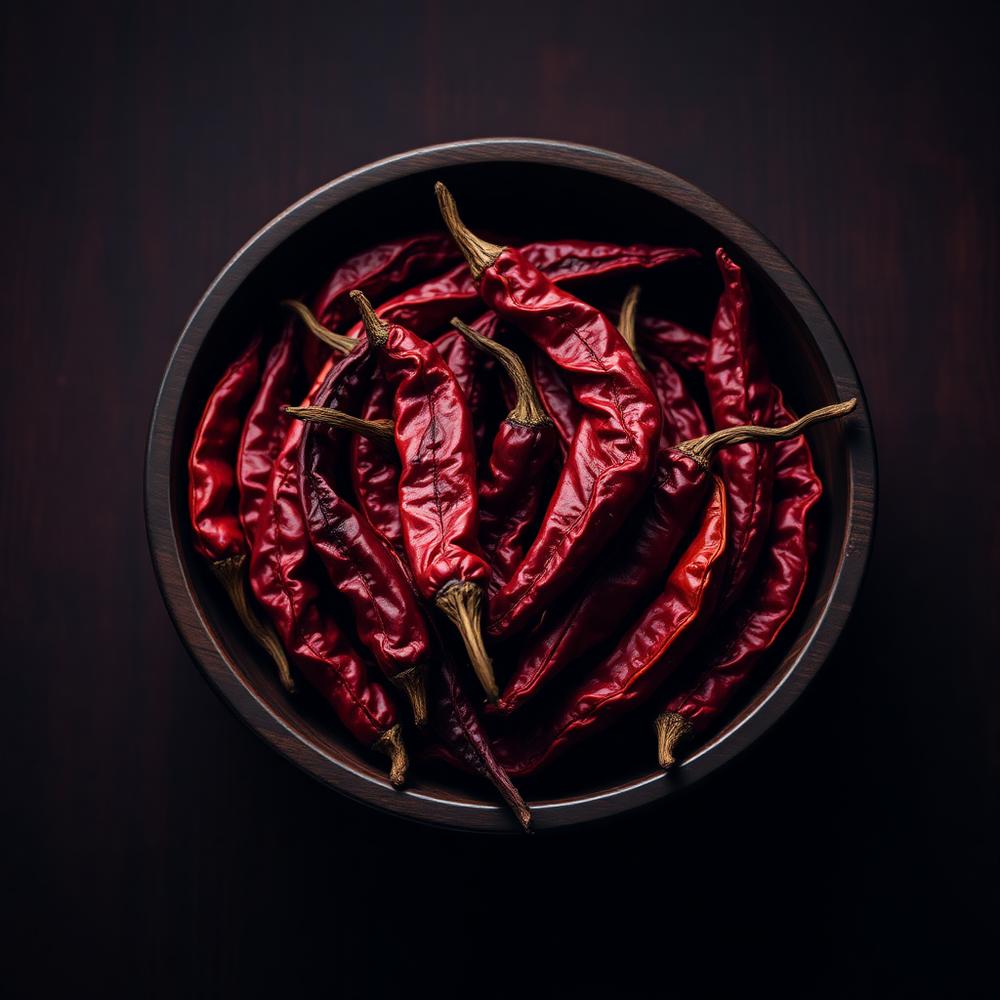
When you season street-style noodles, spice quality shows up immediately. Keep Stone Ground Red Chilli in the sauce for clean Indo-Chinese heat, Lakadong Turmeric as a tiny pinch when you want warmer colour, Coriander Powder in dry spice dusting for schezwan-style mixes, and Whole Jeera toasted for a finishing aroma oil on fusion bowls. Bloom powdered spices briefly in hot oil where the recipe allows, and add finishing garam masala off the heat so the aroma stays bright.
Variations, storage, and troubleshooting
- Undercook noodles slightly if they will sit before tossing
- Cabbage should stay crisp-tender, not grey and wet
- No high flame: use a wider pan and cook in batches
- Too salty: balance with vinegar and a pinch of sugar
- Leftovers: reheat hard on a hot pan, not microwave mush
- Keep sauce pre-mixed — you will not have time to measure mid-toss
Best eaten fresh; refrigerate leftovers up to a day and revive on high heat. If something goes wrong the first time, note whether the issue was moisture, heat, or seasoning — then adjust only one variable on the next batch of street-style noodles.
Timing and texture notes for better street-style noodles
Boil noodles while you chop, but drain them the moment they hit al dente. Every extra minute in water shows up as mush after the toss. The pan stage itself should be brief and loud with heat.
Good homemade noodles stay separate and springy with charred-aromatic edges on the vegetables. If everything steams in liquid at the bottom of the pan, your flame was low or the pan was overcrowded — batch next time.
Indo-Chinese seasoning thrives on contrast: salt, soy, vinegar, chilli, and a pinch of sugar. Taste at the end and adjust sharply rather than timidly.
For gravy noodles, keep the sauce thicker than you think so it clings. Watery gravy turns the bowl into soup with soft noodles drowning inside.
Leftovers revive on a screaming-hot pan with a teaspoon of oil. Microwave reheating makes them limp — save that for when you truly do not care.
Spring onion greens go in last for freshness. Whites can go earlier with garlic. That small timing split is how street stalls keep aroma loud without wilting the garnish into the toss.
Sauce balance is personal, but start with a template: soy for salt-umami, vinegar for brightness, chilli for heat, sugar for roundness, pepper for bite. Adjust in the pan at the end with the noodles already coated so you taste the real dish, not the raw sauce cup.
Vegetable order matters on high heat: onion and carrot first, cabbage and capsicum later, spring onion last. That sequence keeps colours bright and textures distinct. Grey cabbage usually means low heat and long residence time — the opposite of street-style tossing.
Get the spices ready for street-style noodles
Once how to make noodles at home feels easy, the upgrade is a spice shelf that still smells like itself. Restock from the shop, keep reading practical guides on the blog, and cook the next batch while your seasoning is still vivid. A reliable chilli, coriander, jeera, and turmeric set covers most Indian savoury cooking — including street-style noodles.
Shop related