
Blog
How to Make Pizza at Home Without a Pizza Oven
How to make pizza at home on a tawa or in a regular oven — rested dough, thick tomato sauce, smart toppings, and a crisp-base method that works in Indian home kitchens.
21 August 2026 · 6 min read
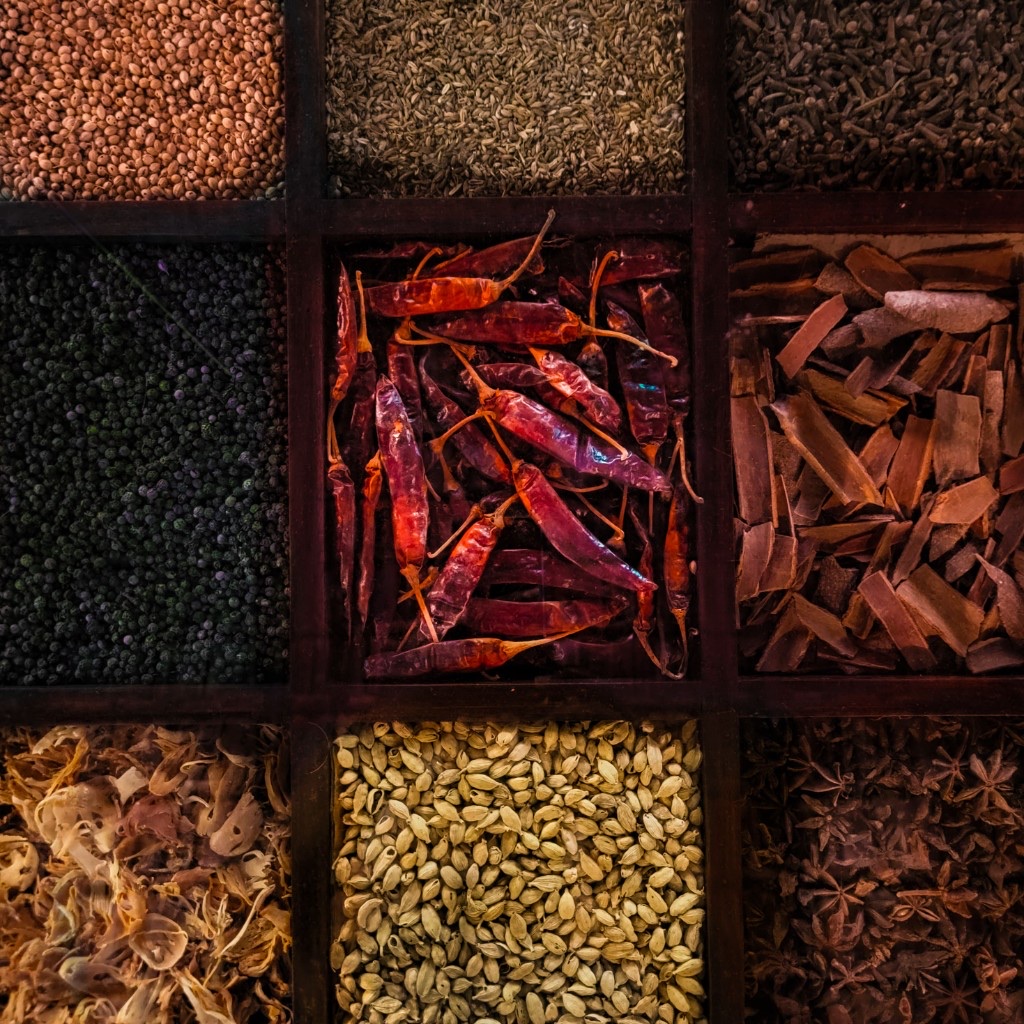
If you want a clear, practical guide on how to make pizza at home, this method is built for a normal Indian home kitchen — not a restaurant pass. You do not need a wood-fired oven. A hot OTG, convection mode, or a heavy tawa with a lid can deliver a crisp base if the dough rose properly and the sauce is thick. Making pizza at home gives you control over oil, salt, heat, and freshness, which is usually why the result tastes cleaner than a rushed takeaway version.
Keep toppings moderate, preheat the tray, and season the sauce so you are not relying on oregano alone. Read through once, gather everything, then cook without multitasking on the critical steps. The difference between average and excellent pizza is usually timing, moisture control, and seasoning — not expensive gadgets.
Why make pizza at home (and mistakes to avoid)
Homemade pizza controls grease, salt, and heat. It also costs less for a family-sized base once you are comfortable with yeast dough. Delivery pizza often wins on convenience, not on dough quality — a rested homemade base with thick sauce frequently tastes fresher.
Dead or overheated yeast, watery sauce, overloaded wet toppings, and baking dough that never got a full rise are the usual failures. Underbaked centres often mean the oven was not hot enough or the base was rolled too thick in the middle.
Ingredients for pizza
- Dough: 2 cups maida (or 1½ maida + ½ atta), 1 tsp instant yeast, 1 tsp sugar, ¾ tsp salt, 2 tbsp oil, ~¾ cup warm water
- Sauce: 2 tomatoes or ½ cup thick puree, garlic, salt, chilli powder, oregano, pinch of sugar, 1 tsp oil
- Cheese: mozzarella as needed
- Toppings: onion, capsicum, corn, mushroom, cooked chicken — cut small
- Finish: chilli flakes or chilli powder, oregano
Warm water should feel comfortably warm on the wrist, not hot. Hot water kills yeast and is the quiet reason many first loaves and pizzas never rise.
Make and rise the dough
Combine flour, yeast, sugar, salt, oil, and warm water. Knead 8–10 minutes until soft. Oil the bowl, cover, and rise 45–60 minutes until doubled.
Punch down, rest 10 minutes, then roll. That short second rest stops the dough from springing back into a thick centre.
Cook a thick pizza sauce
Sauté garlic in oil, add tomato, salt, chilli, oregano, and sugar. Cook until the sauce mounds on a spoon — usually 8–12 minutes. Cool slightly before spreading.
A sauce that runs will steam the base. Thickness matters more than fancy herbs at this stage.
Assemble and cook on oven or tawa
Spread thin sauce, add cheese, then toppings. Oven: 220°C for 10–14 minutes on a preheated tray. Tawa: cover on low-medium until cheese melts, then crisp the bottom briefly on higher heat.
Less topping means crispier pizza. Pre-sauté watery vegetables like mushrooms.
Spice and seasoning tips
Indian home pizza improves when chilli tastes bright, not dusty. Keep oregano, but let chilli and a little coriander support the tomato base.
Optional: a pinch of turmeric for colour in sauce, and a light jeera crackle in the oil for aroma without turning the pie into curry bread.
When you season pizza, spice quality shows up immediately. Keep Stone Ground Red Chilli in the sauce and as a finish, Coriander Powder for a gentle savoury backbone, Lakadong Turmeric as a tiny pinch for warm colour, and Whole Jeera cracked in oil before garlic for a desi-fusion base. Bloom powdered spices briefly in hot oil where the recipe allows, and add finishing garam masala off the heat so the aroma stays bright.
Variations, storage, and troubleshooting
- Refrigerate risen dough up to 24 hours; bring toward room temp before rolling
- White pizza: garlic oil, cheese, chilli — skip tomato
- Dense base: under-proofed dough or too much atta
- Soggy centre: thin the toppings and cook sauce longer
- Reheat slices on a hot tawa or in a hot oven
- Preheat the tray for a crisper bottom
Leftover dough keeps refrigerated one day; baked slices keep a day and reheat best with dry heat. If something goes wrong the first time, note whether the issue was moisture, heat, or seasoning — then adjust only one variable on the next batch of pizza.
Timing and texture notes for better pizza
Start dough before you chop toppings. The rise window is when you make sauce and grate cheese. If the dough doubles early in a hot kitchen, punch down and keep it covered until you are ready to roll.
Flip a baked slice: the underside should be golden, not pale and soft. Pale bottoms mean the tray was cold or the oven was not fully preheated. Soggy centres mean sauce ran or mushrooms wept — cook both longer next time.
For tawa pizza, keep the flame honest: too high scorches the base before cheese melts; too low steams the dough. A lid traps enough heat to melt mozzarella without a broiler.
Kids often prefer milder sauce — split the batch and add extra chilli only on adult slices at the end. A finishing sprinkle of chilli beats burying heat inside an overcooked sauce.
Leftover dough makes excellent garlic knots: roll scraps, brush garlic butter, and bake until golden while the main pizza rests.
If yeast is old, test it in warm water with sugar for five minutes — it should foam. No foam means buy new yeast before you blame your kneading. A light oil coat on risen dough prevents a dry skin that tears when you stretch the base.
Sauce thickness is non-negotiable. If tomatoes release a lot of water, cook uncovered until the spoon leaves a trail. Spreading hot watery sauce on risen dough is how centres stay pale and soft even at 220°C. Cool the sauce a few minutes so it does not melt the dough surface before the oven has a chance to crisp it.
Topping discipline separates homemade pizza that feels restaurant-adjacent from loaded experiments that never crisp. Measure cheese by eye as a thin blanket, not a duvet. Pre-cook mushrooms and watery greens. Finish with chilli and oregano after baking if you want aroma without burnt powder on the rim.
Get the spices ready for pizza
Once how to make pizza at home feels easy, the upgrade is a spice shelf that still smells like itself. Restock from the shop, keep reading practical guides on the blog, and cook the next batch while your seasoning is still vivid. A reliable chilli, coriander, jeera, and turmeric set covers most Indian savoury cooking — including pizza.
Shop related