
Blog
How to Make Restaurant-Style Gravy at Home
How to make restaurant-style Indian gravy base at home — onion-tomato-cashew method you can batch, freeze, and reuse for paneer, chicken, mushrooms, and mix-veg curries all week.
1 September 2026 · 6 min read
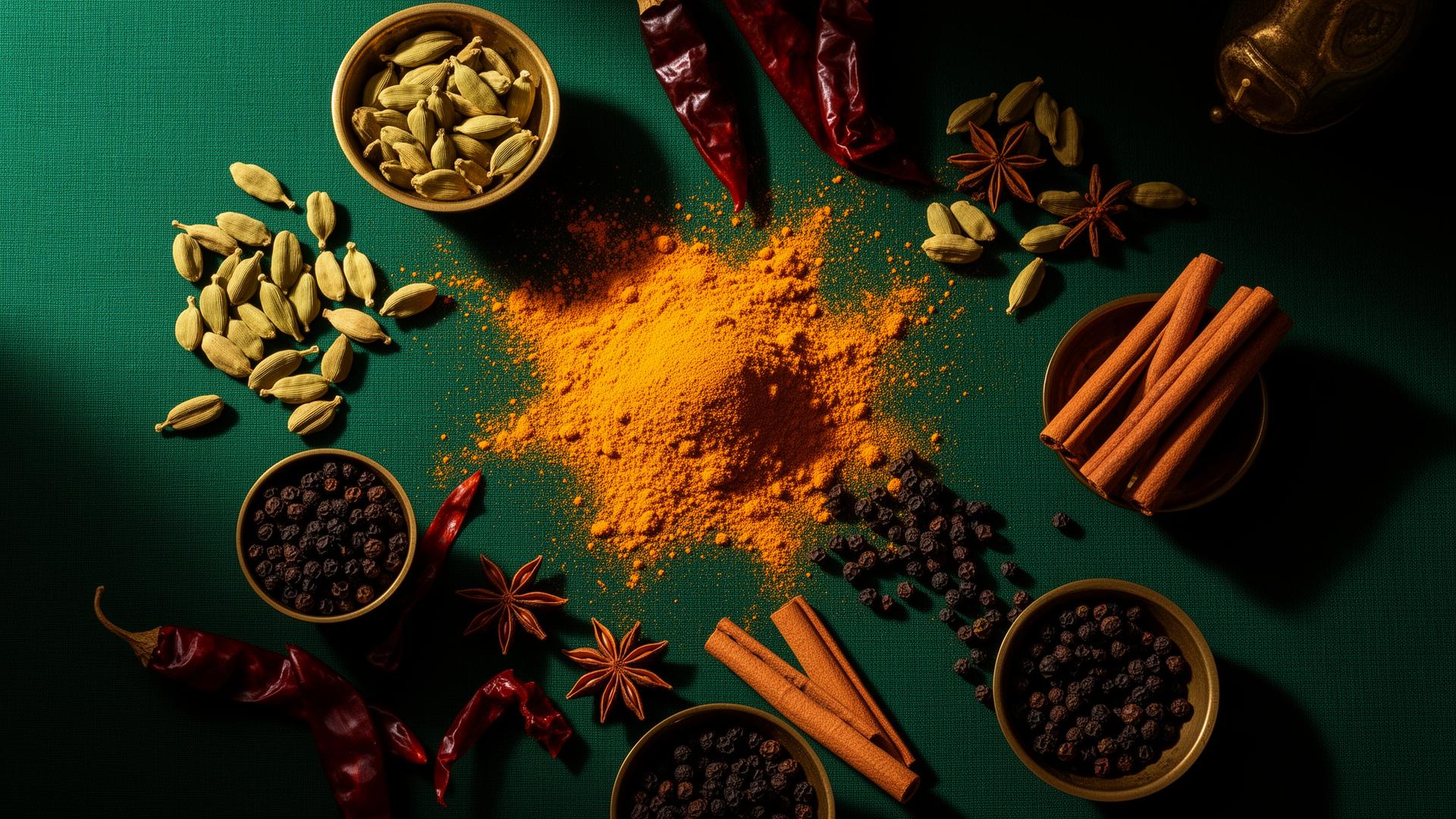
If you want a clear, practical guide on how to make restaurant-style gravy, this method is built for a normal Indian home kitchen — not a restaurant pass. Restaurant gravy tastes smooth because it is cooked down, blended, often strained, and finished with butter or cream. Make the base once and reuse it all week. Making restaurant-style gravy at home gives you control over oil, salt, heat, and freshness, which is usually why the result tastes cleaner than a rushed takeaway version.
Onion, tomato, cashew, ginger-garlic, and a disciplined spice mix build the canvas. Proteins and vegetables are last-minute guests. Read through once, gather everything, then cook without multitasking on the critical steps. The difference between average and excellent restaurant-style gravy is usually timing, moisture control, and seasoning — not expensive gadgets.
Why make restaurant-style gravy at home (and mistakes to avoid)
Batching gravy turns weeknight paneer butter masala or mushroom masala into a 10-minute finish. Fresh spices keep the base bright instead of muddy. One blended base unlocks paneer, mushroom, veg, and chicken curries all week. That is why restaurant kitchens cook gravy in volume.
Undercooking onions leaves a raw edge after blending. Skipping the cook-out of powdered spices makes the gravy taste pasty. Blending while piping hot in a cheap jar can be unsafe — cool slightly. Watery bases never cling to paneer.
Ingredients for restaurant-style gravy
- 3 onions, 5–6 tomatoes
- 10–12 cashews
- 1 tbsp ginger-garlic paste
- 1 tsp chilli powder, ½ tsp turmeric, 1–1½ tsp coriander powder
- 1 tsp jeera, optional whole garam spices
- Oil/butter, salt, kasuri methi, cream optional
Onions need real colour before tomatoes go in. Pale onions make sharp blended gravy no amount of cream fully hides.
Cook the masala fully
Crackle jeera in oil/butter, sauté onions until deep golden. Add ginger-garlic, tomatoes, cashews, and powdered spices. Cook until oil separates and tomatoes lose raw smell.
This cook-out is the difference between home 'tomato sauce' and restaurant base.
Blend, strain, and adjust
Cool slightly, blend very smooth, and strain for hotel texture if you want silk. Reheat with butter, adjust salt and thickness.
Keep the base thicker than final curry — you will loosen when adding vegetables or stock.
Finish with protein and aroma
Add paneer, mushrooms, mix-veg, or cooked chicken. Simmer briefly. Finish with cream if using, kasuri methi, and garam masala off heat.
Freeze plain base in boxes for later weeks.
Spice and seasoning tips
Gravy quality tracks spice freshness closely. Jeera starts the aroma; turmeric, chilli, and coriander build the body; garam masala finishes.
If the base tastes dull, stale chilli and coriander are often the culprits — not a missing secret restaurant chemical.
When you season restaurant-style gravy, spice quality shows up immediately. Keep Whole Jeera for the opening tadka, Lakadong Turmeric for colour in the base, Stone Ground Red Chilli for balanced heat, Coriander Powder for body and savouriness, Rajwada Garam Masala as the finishing fragrance, Everyday Essentials Bundle for restocking the four everyday powders and seeds, and Complete Kitchen Bundle when you want staples plus Rajwada garam masala together. Bloom powdered spices briefly in hot oil where the recipe allows, and add finishing garam masala off the heat so the aroma stays bright.
Variations, storage, and troubleshooting
- Double the batch and freeze flat for quick thawing
- Too orange/red: ease chilli and skip colour powders
- Too sweet: some tomatoes need less balancing sugar
- Grainy: blend longer and strain
- Split cream: lower heat before adding
- Label freezer boxes with date and spice level
Refrigerate base 3–4 days; freeze up to a month for best flavour. If something goes wrong the first time, note whether the issue was moisture, heat, or seasoning — then adjust only one variable on the next batch of restaurant-style gravy.
Timing and texture notes for better restaurant-style gravy
Cook until oil separates, cool slightly, then blend. Rushing the onion stage or blending a barely-cooked tomato mix is how homemade 'restaurant gravy' still tastes like hurried weekday sabzi.
Strained gravy should feel smooth on the tongue. Keep it thicker than the final curry so you can loosen deliberately when paneer or stock goes in. Thin bases never cling.
Freeze flat in boxes or bags for quick thawing. Label spice level so a mild paneer night does not accidentally become a chilli bomb.
Finish each portion with butter, kasuri methi, and garam masala rather than boiling all aroma out of a giant pot at once.
Jeera, turmeric, chilli, coriander, and garam masala are the spine of this base — freshness here pays rent every weeknight.
Keep a ladle of plain base un-finished when cooking for mixed spice preferences. Finish one pan mild with cream, another hotter with extra chilli, from the same mother gravy.
Whole spices like bay, cinnamon, or cardamom can perfume the oil at the start if you like a richer hotel note — fish them out before blending if you strain. Powdered garam masala still finishes better at the end for clarity.
Batch cooking is the point. A Sunday gravy session turns Tuesday paneer and Thursday mushrooms into short cooks. Cool base quickly, portion, and freeze what you will not use in four days. Food safety is part of restaurant thinking at home too.
When reheating frozen base, loosen with hot water gradually and bring to a simmer before adding cream. Dumping cream into icy thick paste can seize texture. Warm base, then enrich — that order keeps silk intact.
Salt the base carefully knowing cashews and cream will round flavour later. Under-salting early is safer than chasing a too-salty blender jar with endless water that thins the silk you worked for.
Get the spices ready for restaurant-style gravy
Once how to make restaurant-style gravy feels easy, the upgrade is a spice shelf that still smells like itself. Restock from the shop, keep reading practical guides on the blog, and cook the next batch while your seasoning is still vivid. This single base is why a Complete Kitchen Bundle earns its space beside the freezer boxes.
Shop related