
Blog
How to Make Samosa at Home Crispy and Flaky
How to make classic potato samosa at home — crispy crust dough, spiced aloo filling, folding shape, and frying tips so they stay crunchy long after they leave the kadhai.
30 August 2026 · 6 min read
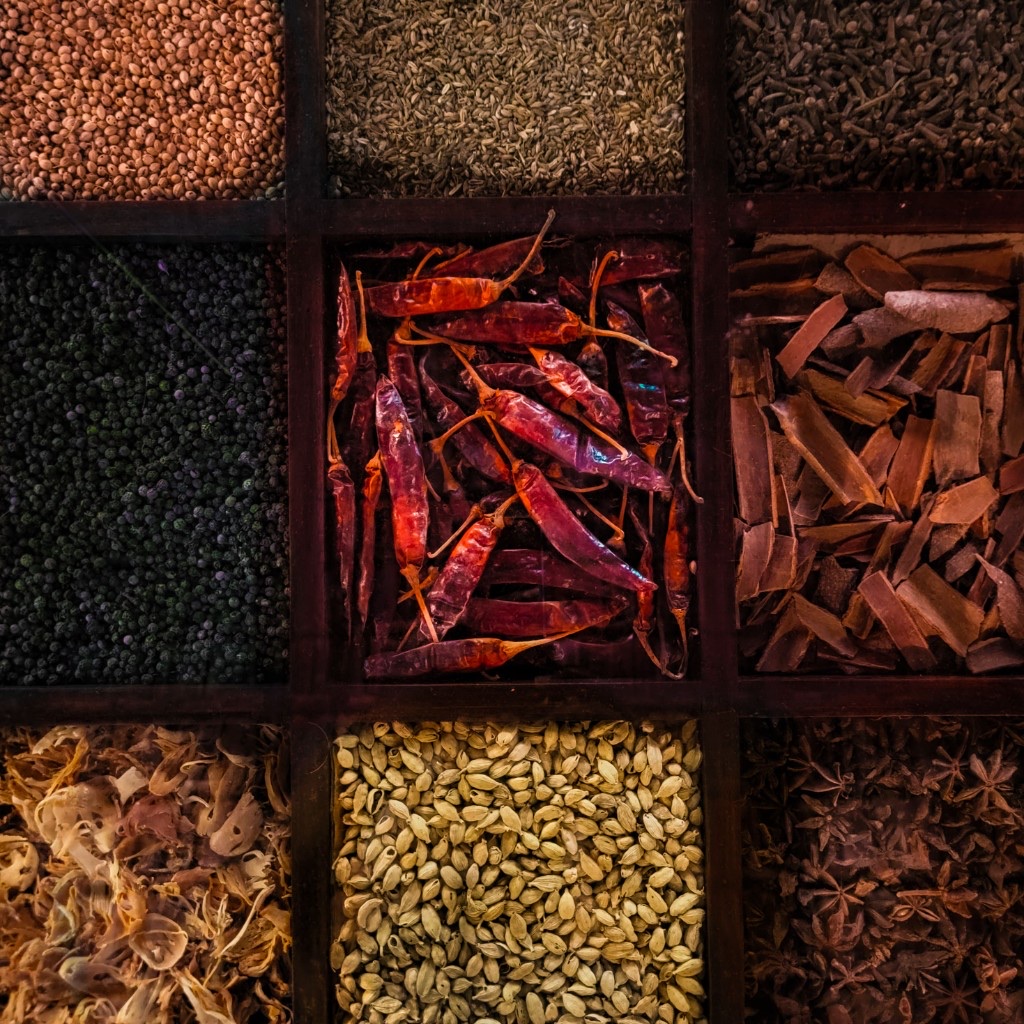
If you want a clear, practical guide on how to make samosa, this method is built for a normal Indian home kitchen — not a restaurant pass. Crisp samosa is a dough story first: tight hot-oil dough, rested, rolled evenly, filled with dry spiced potato, sealed well, and fried patiently. Making samosa at home gives you control over oil, salt, heat, and freshness, which is usually why the result tastes cleaner than a rushed takeaway version.
The filling should be bold with jeera, coriander, chilli, and a pinch of garam masala — bland aloo is why homemade samosas taste polite instead of addictive. Read through once, gather everything, then cook without multitasking on the critical steps. The difference between average and excellent samosa is usually timing, moisture control, and seasoning — not expensive gadgets.
Why make samosa at home (and mistakes to avoid)
Homemade samosas let you control oil quality, spice level, and the pea-to-potato ratio. You can bake or air-fry for a lighter crust, though deep-fry still wins for classic flake. A great samosa is flaky dough plus dry, boldly spiced potato. Either half failing makes the whole snack polite instead of addictive.
Soft dough without enough oil/ajwain structure turns leathery. Wet filling steams the crust from inside. Frying on low heat makes greasy samosas; crazy-high heat browns before the layers cook. Poor seals open in oil.
Ingredients for samosa
- Dough: 2 cups maida, ¼ cup hot oil or ghee, salt, ajwain, cold water as needed
- Filling: 3–4 boiled potatoes, green peas optional, 1–2 green chillies, ginger
- Spices: cumin seeds, coriander powder, chilli powder, turmeric, amchur, garam masala, salt
- Oil for deep frying
- Flour paste for sealing edges
Hot oil rubbed into flour is what creates flake. Do not skip that step or treat the dough like soft roti dough.
Make flaky dough
Rub hot oil into maida with salt and ajwain until the flour holds shape when pressed (like sand castle dough). Add water sparingly to make a firm dough. Rest 20–30 minutes covered.
Firm dough equals flake. Soft dough equals tough, blister-free crust.
Cook a dry, bold filling
Crackle jeera in oil, add ginger and chilli, then peas if using. Add crumbled potato and powdered spices. Cook until the mix looks dry and fragrant. Cool fully.
Taste for salt and amchur. Filling should be punchier than you want in a plain aloo sabzi.
Fold and fry
Roll ovals, cut, form cones, fill, and seal with flour paste — no gaps. Rest filled samosas 10 minutes. Fry in medium-hot oil, turning, until deep golden.
Do not overcrowd. Drain on a rack. Serve with chutney while the crust still sings.
Spice and seasoning tips
Samosa filling is a spice showcase. Whole jeera in hot oil is non-negotiable for aroma. Coriander powder builds body; chilli brings the snack heat; turmeric is only a pinch for colour.
Garam masala at the end keeps fragrance alive. If your powders are dull, even perfect dough will taste flat.
When you season samosa, spice quality shows up immediately. Keep Whole Jeera cracked in oil for the filling tadka, Coriander Powder for earthy depth in the aloo, Stone Ground Red Chilli for clean heat, Lakadong Turmeric for warm colour, Rajwada Garam Masala as a finishing pinch, and Everyday Essentials Bundle so the whole samosa spice set stays fresh. Bloom powdered spices briefly in hot oil where the recipe allows, and add finishing garam masala off the heat so the aroma stays bright.
Variations, storage, and troubleshooting
- Bake/air-fry: brush oil and cook until deep golden; texture differs from deep-fry
- Frozen uncooked samosas fry well from frozen at controlled heat
- Open seams: seal with thicker paste and press firmly
- Soft crust: oil not hot enough or dough too soft
- Bubbles on crust: good sign of flaky dough
- Keep filling dry — watery peas are a common culprit
Leftover fried samosas reheat in a hot oven or air fryer; avoid microwave if you want crunch. If something goes wrong the first time, note whether the issue was moisture, heat, or seasoning — then adjust only one variable on the next batch of samosa.
Timing and texture notes for better samosa
Rest the dough while the filling cooks and cools. Filling must be cold before shaping or seals weaken and oil turns dangerous with sputter.
Fried samosas should blister and stay crisp as they cool slightly on a rack. Soft, oily crusts mean the oil was too cool. Dark shells with raw dough inside mean the oil was too hot or the pastry too thick.
Seal with a thick flour paste and press firmly — open cones in oil are messy and demoralising. Rest filled samosas ten minutes so seals set before frying.
Amchur and garam masala finish the filling; chilli and coriander build the middle; jeera starts the tadka. If any of those taste dull, refresh the pouch before the next party batch.
Air-fryer samosas need an oil brush and realistic expectations: tasty, yes; identical to deep-fried flake, not always. Still excellent for weeknights.
Keep a test fry: drop one samosa first to read oil temperature. If it sits and drinks oil, wait. If it darkens in under a minute, cool the oil slightly. That single scout samosa saves the batch.
Ajwain in the dough is traditional for a reason: aroma and a savoury echo that matches potato filling. Do not overdo it or the crust tastes medicinal. A pinch rubbed into flour with hot oil is enough for two cups of maida.
Frying in two stages is optional but useful for large batches: pale-fry to set the crust, rest, then re-fry to deep gold before serving. Party hosts use this so guests always get hot samosas without living beside the kadhai for an hour straight.
Get the spices ready for samosa
Once how to make samosa feels easy, the upgrade is a spice shelf that still smells like itself. Restock from the shop, keep reading practical guides on the blog, and cook the next batch while your seasoning is still vivid. A samosa night is the best excuse to refresh jeera, chilli, coriander, turmeric, and garam masala together.
Shop related