
Blog
How to Make Spring Rolls at Home (Crispy Veg)
How to make crispy vegetable spring rolls at home — filling, wrapping, sealing, and frying or air-fryer tips for beginners who want shatter-crisp wrappers.
31 August 2026 · 6 min read
If you want a clear, practical guide on how to make spring rolls, this method is built for a normal Indian home kitchen — not a restaurant pass. Crispy veg spring rolls need a dry stir-fried filling, tight wrapping, and oil hot enough to blister the wrapper quickly. Making spring rolls at home gives you control over oil, salt, heat, and freshness, which is usually why the result tastes cleaner than a rushed takeaway version.
Store-bought wrappers make this achievable on a weeknight. The filling should taste seasoned on its own before it ever meets the sheet. Read through once, gather everything, then cook without multitasking on the critical steps. The difference between average and excellent spring rolls is usually timing, moisture control, and seasoning — not expensive gadgets.
Why make spring rolls at home (and mistakes to avoid)
You control cabbage sweetness, chilli heat, and oil freshness — and you can air-fry for less mess when entertaining. Wrappers are easy to buy; crispness is earned by dry filling and hot oil. Wet cabbage is the usual villain.
Wet filling turns wrappers soggy and causes bursts. Loose wrapping traps air pockets that blister unevenly. Oil that is too cool absorbs into the wrapper; oil that is too hot browns before the interior warms.
Ingredients for spring rolls
- Spring roll wrappers (thawed if frozen)
- Filling: cabbage, carrot, capsicum, onion, optional noodles or paneer
- Seasoning: salt, pepper, soy sauce, chilli powder, coriander powder
- Cornflour paste for sealing
- Oil for deep frying or brushing for air fryer
Thaw frozen wrappers fully and keep them under a damp cloth while you work so edges do not crack mid-roll.
Stir-fry a dry filling
Heat oil, sauté aromatics, add vegetables on high heat until just tender and moisture evaporates. Season with soy, pepper, chilli, and coriander. Cool completely on a plate so steam escapes.
Warm filling softens wrappers and guarantees sogginess.
Wrap tightly
Place filling near one corner, fold sides in, roll firmly, and seal the edge with cornflour paste. Keep unused wrappers covered with a damp cloth so they do not crack.
Aim for compact cylinders without huge air gaps.
Fry or air-fry until blistered
Deep-fry in medium-hot oil until golden and crisp, turning as needed. Or brush with oil and air-fry until deep golden, flipping once.
Drain on a rack. Serve with chilli dip while loud and crisp.
Spice and seasoning tips
Spring roll filling should not taste bland inside a neutral wrapper. Chilli powder gives clean heat; coriander rounds the vegetables.
A simple dip of chilli, salt, and vinegar beats watery sweet sauces when you want sharpness. Optional jeera tadka on a tomato-chilli dip adds aroma.
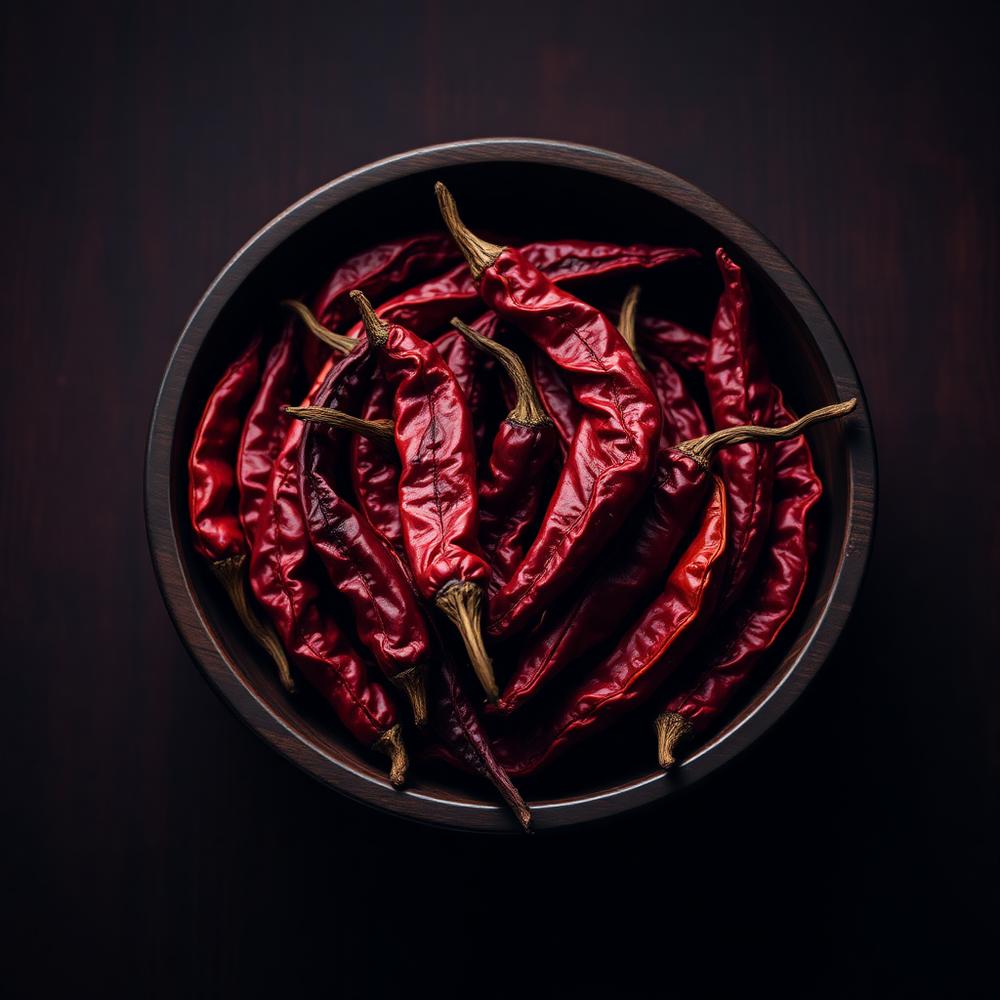
When you season spring rolls, spice quality shows up immediately. Keep Stone Ground Red Chilli in the filling and dipping sauce, Coriander Powder for savoury depth, Whole Jeera in a quick dip tadka, and Lakadong Turmeric as a colour pinch in Indo-Chinese gravy dips. Bloom powdered spices briefly in hot oil where the recipe allows, and add finishing garam masala off the heat so the aroma stays bright.
Variations, storage, and troubleshooting
- Make-ahead: fill and freeze; fry from frozen carefully
- Burst rolls: filling too wet or seal incomplete
- Chewy wrapper: under-fried or steamed by overcrowding
- Keep a damp cloth on wrappers
- Cut rolls on a bias for serving after a one-minute rest
- Do not stack hot rolls or steam softens them
Best fresh; re-crisp leftovers in an air fryer or hot oven. If something goes wrong the first time, note whether the issue was moisture, heat, or seasoning — then adjust only one variable on the next batch of spring rolls.
Timing and texture notes for better spring rolls
Cook filling first and cool it completely — spread it on a plate. Wrapping warm filling is how spring rolls go soggy before they even see oil.
Finished rolls should blister and shatter lightly when cut. Chewy wrappers usually mean overcrowding, under-frying, or stacking hot rolls so steam softens them.
Roll tightly without giant air pockets. Loose rolls brown unevenly and can burst at weak folds.
Season the filling like a snack: salt, pepper, soy, chilli, coriander. A bland interior cannot be saved by a pretty wrapper.
Freeze filled uncooked rolls on a tray, then bag. Fry from frozen at controlled heat so the outside does not race ahead of the cold centre.
Sweet chilli sauce is fine for kids; sharper vinegar-chilli dips suit adults. Offer both when you fry a big platter so heat preferences do not turn into table negotiations mid-crunch.
Wrapper brands differ in thickness. Thinner sheets crisp faster and burn faster; thicker sheets need a slightly longer fry. Do a one-roll test every time you open a new packet. Oil temperature intuition transfers; brand behaviour does not always.
Filling ideas beyond cabbage: leftover hakka noodles, crumbled paneer, or finely minced cooked chicken. Whatever you choose must be dry and cool. Spring rolls are a leftover transformation machine when you respect moisture.
Serve immediately on a rack set over a tray so underside steam escapes. A closed casserole dish is a crispness graveyard. Chutney bowls on the side beat pouring sauce over the top.
Cornflour paste seals better than water alone on many wrapper brands. Mix a spoon of cornflour with enough water to make glue, keep it beside your rolling station, and dab generously on the final edge. Tight seals survive frying; polite seals open in oil.
If wrappers crack while rolling, they are too dry — cover the stack and work faster. A cracked sheet rarely fries into an even blister; replace it rather than patching endlessly.
One perfect test roll teaches oil heat better than any thermometer guess for home kadhais.
Get the spices ready for spring rolls
Once how to make spring rolls feels easy, the upgrade is a spice shelf that still smells like itself. Restock from the shop, keep reading practical guides on the blog, and cook the next batch while your seasoning is still vivid. A reliable chilli, coriander, jeera, and turmeric set covers most Indian savoury cooking — including spring rolls.
Shop related