
Blog
How to Store Spices So They Don’t Lose Flavour
Learn how to store spices so turmeric, chilli, jeera, and coriander stay aromatic. Simple rules for heat, light, air, and moisture — plus why fresh 200g packs beat giant jars.
4 August 2026 · 6 min read
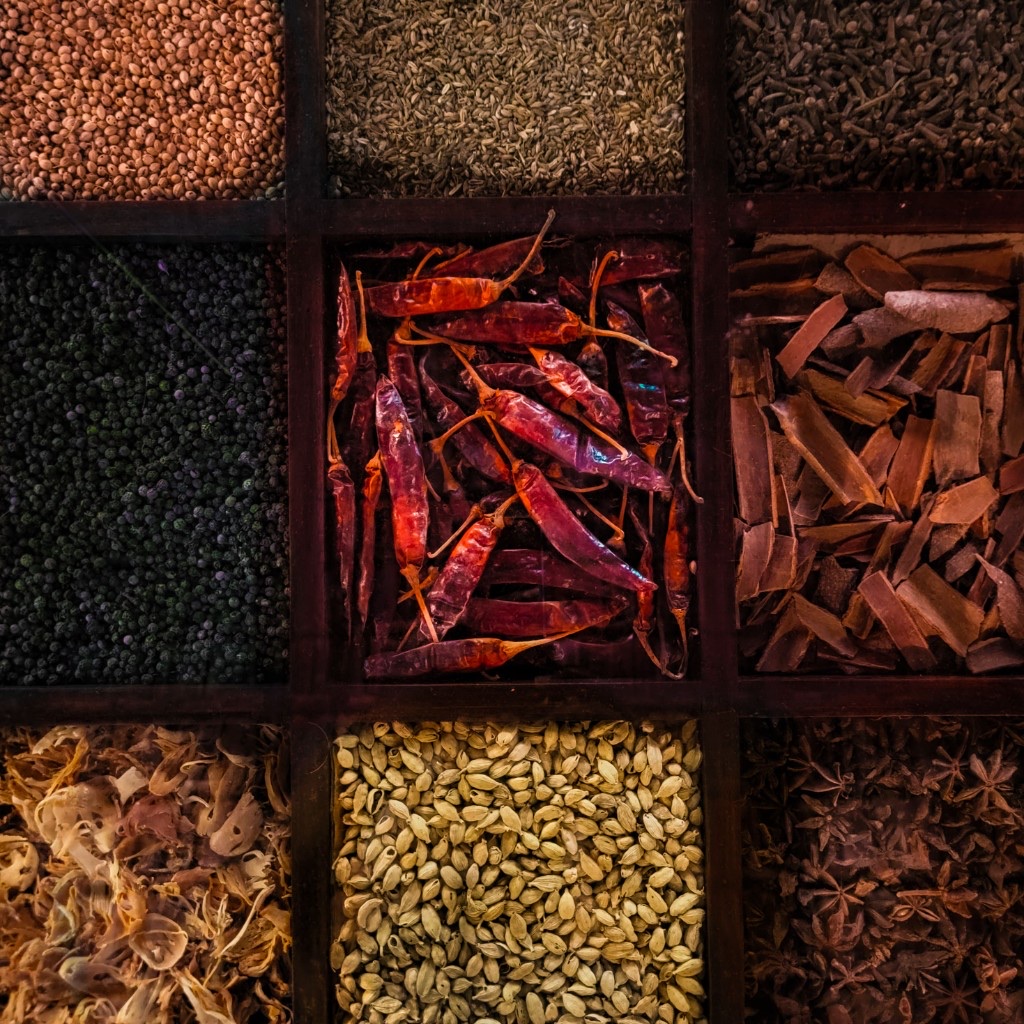
People search “how to store spices” after the same disappointment: you open a jar, and it smells like nothing. The masala looks fine. The colour is still there. The flavour is gone. Indian cooking depends on aroma oils — and those oils fade when storage is careless.
Spice loses strength to air, light, heat, and steam. Good storage is boring — and it works. This guide covers the enemies of freshness, whole vs powder, masala dabba habits, and why smaller 200g packs often taste better than “economy” kilos. Pair better storage with better sourcing from the shop, and your weekday dal will notice.
The four enemies of spice
- Heat — never keep masala right above the stove or next to the oven vent.
- Light — clear jars on a sunny shelf fade colour and volatile oils.
- Air — every open lid lets aroma escape; loose lids are silent flavour thieves.
- Moisture — wet spoons and steam make powder clump, cake, and spoil faster.
If you remember only one line about how to store spices: cool, dark, dry, and sealed. Everything else is detail.
Simple storage rules that actually help
Use airtight containers — steel, ceramic, or opaque jars with tight lids. Keep them in a cupboard away from the hob. Always use a completely dry spoon. Do not shake powder from a jar over a steaming pot; steam rushes in and shortens shelf life. Label the month you opened a pouch so you know when aroma should still be strong.
Buy sizes you will finish in a few weeks to a couple of months, not a giant jar “for the year.” Freshness beats bulk every time for home cooking. A faded kilo of chilli is not a bargain.
Transfer opened pouches into clean dry jars only after the jar is fully dry. Even a little leftover moisture from washing can clump turmeric or chilli overnight. If you use a funnel, keep it dedicated to dry spices so onion or wet-kitchen smells do not hitch a ride. Small habits like these are the unglamorous half of how to store spices well.
Whole vs powder: different clocks
Whole jeera and whole chilli last longer than powder because the oils stay protected inside the seed or fruit. Powder is convenient but more fragile — once grinding exposes the oils, the clock runs faster. Keep Whole Jeera whole for tadka and water; grind only what you need when a recipe calls for powder.
Ground spices like Coriander Powder, Stone Ground Red Chilli, and Lakadong Turmeric deserve stricter care: smaller packs, tighter lids, darker shelves. Stone-ground chilli in particular keeps more aroma when it is fresh — do not waste that by parking it over the flame.
Masala dabba tips without the clutter
A steel dabba is fine if lids fit well and you refill from sealed pouches instead of leaving big bags open. Keep only the week’s working amounts in the dabba; store the rest sealed. Do not park the dabba on the stove between tadkas. Wipe rims so powder does not stop lids from closing.
If your dabba smells like a mix of everything, aroma has already been trading places. Clean it, dry it fully, and refill with distinct pure spice — not a blended ghost of last month’s cooking.
Travel tins and picnic dabbas are another leak point. Do not leave half-used mini boxes in a hot car or near a sunny window. Bring them home, empty what remains into the main sealed jar if it still smells strong, or finish it soon. Heat on the move ruins spice as quietly as heat above the stove.
Why 200g packs make sense
A one-kilo chilli jar looks cheap until month four. Smaller 200g packs mean you finish the spice while it still smells alive. That is why Beyond Spices packs staples in 200g — fresh in, fresh out. Named origins help too: Unjha jeera, Mandsaur coriander, Guntur-linked chilli character, Lakadong turmeric — strength you can smell when storage is right.
Rotating smaller packs also makes it easier to notice quality. When every jar is ancient, you forget what real aroma is. When you open a new 200g pouch regularly, your nose stays honest.
Quick refresh checklist by spice
- Turmeric: airtight, away from light; replace when aroma goes flat even if colour remains.
- Chilli powder: watch moisture clumps; keep sealed; trust smell and heat together.
- Coriander powder: fades quietly — if gravies taste “empty,” check dhania first.
- Whole jeera: longest lasting of the staples; still hates heat and steam.
- Garam masala: buy smaller; finish while the top notes are bright.
A useful monthly ritual: open each jar, smell, and cook a tiny tadka test if you are unsure. Your nose is faster than any calendar date printed on a pouch. When coriander from Mandsaur or chilli with Guntur character still smells vivid, storage is working. When everything smells the same, it is time to reset the shelf.
FAQ: storing spices at home
- Fridge or cupboard? Cupboard — cool and dry. Fridges add moisture risk when jars go in and out.
- Can I freeze spices? Not needed for everyday powders; airtight cupboard storage is enough.
- How long do powders last? Use your nose: weeks to a few months at peak; do not stretch a year on open powder.
- What if spices already smell dull? Replace them. Adding more dull powder cannot recreate freshness.
Closing: store well, then stock well
Knowing how to store spices keeps the flavour you paid for. Combine good jars with honest packs: the Everyday Essentials Bundle covers the core four, and the Complete Kitchen Bundle fills a wider shelf without forcing giant dusty tins.
Read lab reports when you want purity proof, skim our story for why we obsess over belts and grind, and keep learning on the blog. If your current jar smells dull, do not “add more.” Replace it. Your food will thank you immediately.
Shop related