
Blog
Jeera Water Benefits: Why People Drink It + Easy Recipe
Jeera water benefits people search for — digestion comfort, a light morning habit — plus easy recipes using whole Unjha cumin. Learn how to make jeera water and why fresh seeds matter.
28 July 2026 · 6 min read
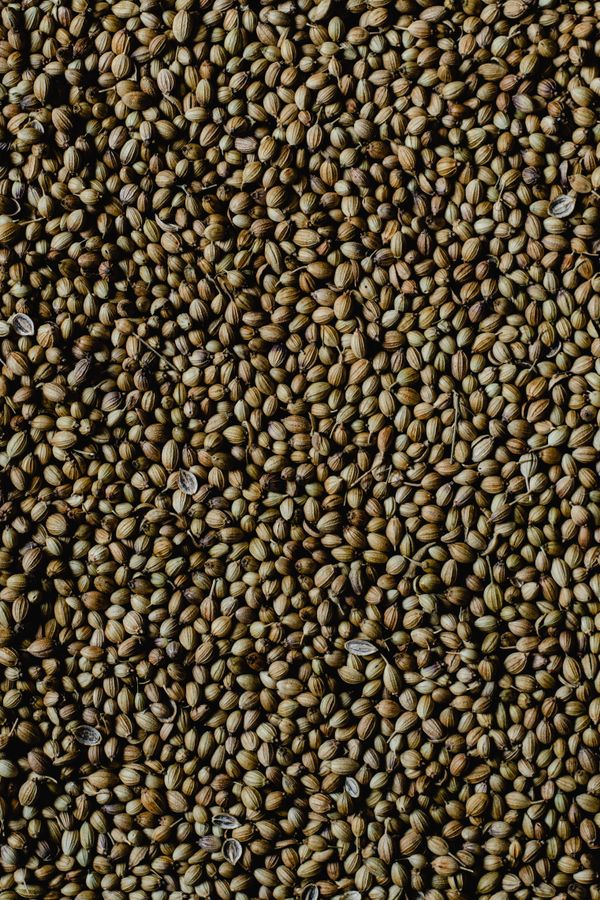
“Jeera water benefits” is one of those searches that never goes away. Grandmothers made cumin water long before it became a reel. People drink it for a settled stomach after heavy meals, a light morning start, or simply a warm, fragrant habit that feels like home.
This is not a doctor’s prescription. It is a kitchen habit — and it only tastes good if your jeera still smells like jeera. Below: why people reach for cumin water, how to make it two ways, how seed quality changes the glass, and how the same Whole Jeera earns its keep in tadka every night.
Why people drink jeera water
Cumin has been part of Indian cooking and home routines for generations. The popular jeera water benefits people talk about are practical and sensory: a warm drink that feels soothing when the stomach is heavy, a mild ritual first thing in the morning, and a fragrant alternative to yet another cup of tea.
- Many sip it warm after rich or festive meals.
- Some prefer it first thing on an empty stomach as a gentle start.
- Cumin’s aroma feels comforting when you feel gassy or dull after eating out.
- It is cheap, simple, and easy to keep as a daily ritual without fancy equipment.
Keep expectations kitchen-smart. Jeera water is a pure spice infusion, not a miracle. If it helps you drink more warm fluid and pause before the next snack, that alone is a useful habit. Flavour and freshness decide whether you stick with it.
Families also lean on jeera water because it travels well across seasons. In cooler months, a hot cup feels grounding after oily festival food. In warmer weather, a lightly cooled version with lemon can feel refreshing without turning into a sugary drink. The common thread in every version of jeera water benefits talk is the same: aromatic cumin, clean water, and a routine you enjoy enough to repeat.
How to make jeera water (boil method)
Take 1 teaspoon of whole cumin seeds. Add to 1–1.5 cups of water. Bring to a boil, then simmer 5–8 minutes until the water turns light brown and smells nutty and citrusy. Strain into a cup and sip warm. Optional: a squeeze of lemon, a pinch of black salt, or a thin slice of ginger if you like a brighter cup.
Do not boil it into a bitter concentrate. You want perfume, not harshness. If the drink tastes dusty, the seeds are old — no amount of lemon will fix cardboard cumin.
Overnight soak method (milder cup)
Add 1 teaspoon of whole jeera to a glass of room-temperature water. Cover and soak overnight. In the morning, you can drink it as is or warm it gently. Some people lightly crush the seeds before soaking to release more aroma. The taste is softer than the boiled version — good if you are new to the habit.
Either method works. Pick the one you will actually repeat. Consistency beats a complicated recipe you abandon in a week.
Why the quality of jeera matters
Old, dusty cumin makes flat, bitter water. Fresh whole jeera from a known belt like Unjha in Gujarat smells citrusy and warm when you crush it between your fingers. Unjha is famous for cumin for a reason — aroma oils are the whole point of both tadka and jeera water.
If your seeds smell like cardboard, no recipe will save the drink. Buy whole seeds in a size you will finish — 200g is a sweet spot for most homes — and store them airtight away from heat. Powdered cumin goes dull faster; for water and tadka, whole is wiser.
When you open a fresh pouch of Unjha jeera, crush two seeds and inhale. You should get citrus peel, warmth, and a clean savoury note — not dust. That same aroma is what makes both morning water and evening tadka taste like care instead of habit. Pure spice is not a slogan here; it is the difference between a drink you finish and a drink you abandon.
Kitchen tip beyond the glass
Keep the same jar for cooking. Temper whole jeera in hot oil or ghee until it crackles — that is the flavour Indian cooking is built on. Add turmeric after the crackle for dal; finish gravies with care. Fresh cumin improves both the morning glass and the evening tadka.
A strong core shelf helps: Lakadong Turmeric for colour and warmth, Coriander Powder for body in gravies, and chilli for heat. Browse more ideas on the blog, or restock staples in one go from the shop.
Simple variations people enjoy
- Jeera + fennel seeds for a sweeter, softer cup after meals.
- Jeera + a pinch of turmeric for a golden warm drink (cooking focus, not a health claim).
- Jeera + lemon and a tiny pinch of salt in summer as a light savoury sip.
- Lightly dry-roast jeera before boiling for a deeper nutty note.
Stay light-handed with extras. The point of searching jeera water benefits is often simplicity — do not turn one teaspoon of cumin into a crowded masala tea unless you enjoy that.
FAQ: jeera water questions
- How much jeera per cup? About one teaspoon of whole seeds for one mug is a good start.
- Morning or night? Either — many prefer morning or after a heavy dinner. Listen to your own routine.
- Can I reuse the boiled seeds? Once is enough; spent seeds have little aroma left.
- Whole or powder? Whole Unjha-style seeds taste cleaner for water and last longer in the jar.
Closing: better seeds, better water, better tadka
The real secret behind lasting jeera water benefits is not a complicated recipe — it is aromatic cumin you trust. Beyond Spices Whole Jeera is packed in 200g so it stays fragrant for daily water and daily tadka.
Build the rest of the shelf with the Everyday Essentials Bundle, or go wider with the Complete Kitchen Bundle. Crush a seed between your fingers; if it smells alive, your glass will too.
Shop related