
Blog
Lakadong Turmeric vs Regular Turmeric: What’s the Real Difference?
Lakadong turmeric vs regular haldi explained simply: Meghalaya origin, curcumin, colour, aroma, and kitchen use. See why named-origin turmeric tastes deeper — and how to buy a fresh 200g pack.
21 July 2026 · 6 min read
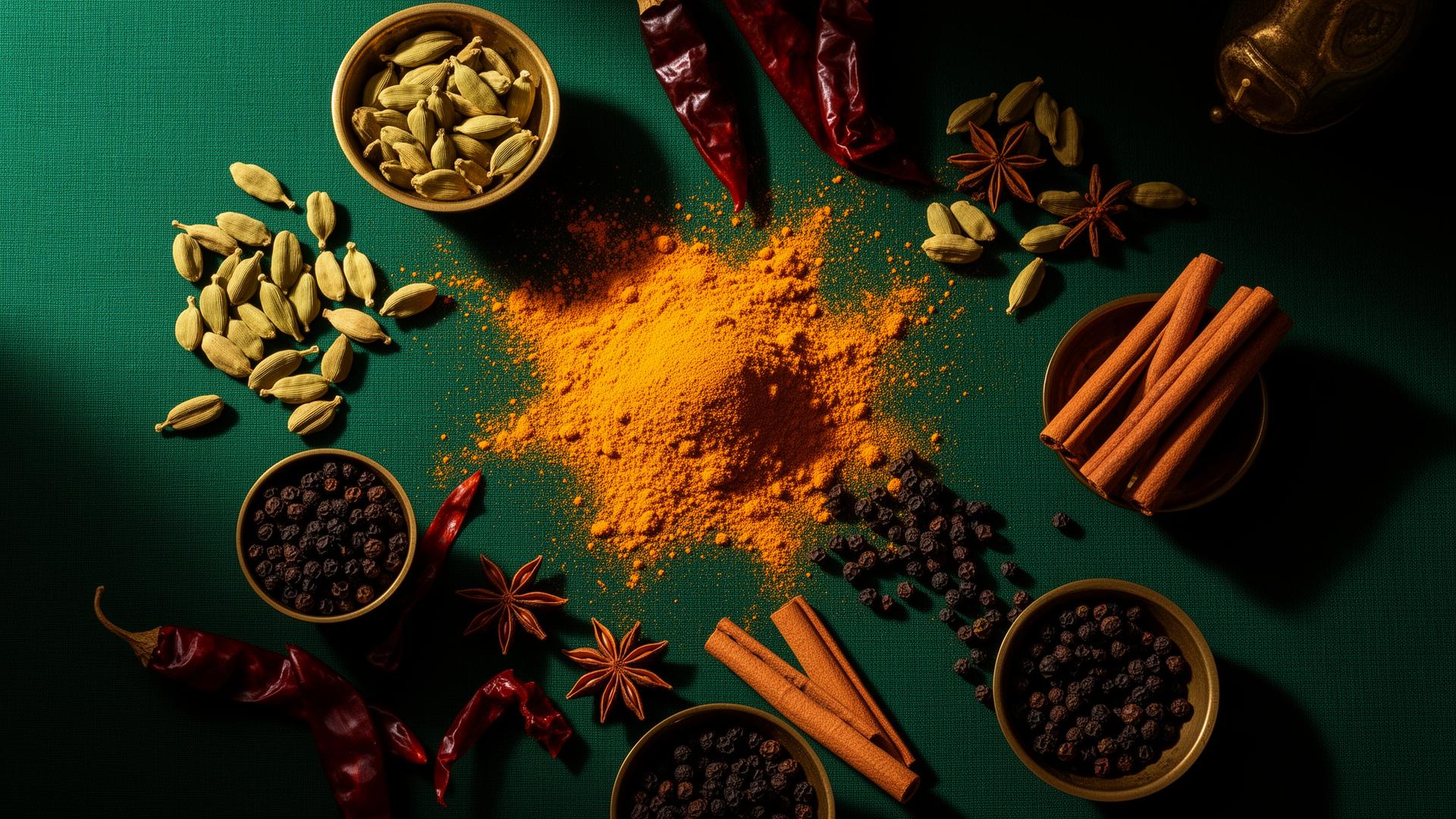
Search “Lakadong turmeric” and you will see the same claims again and again: high curcumin, Meghalaya, strong colour. So what is the real difference when people compare Lakadong turmeric vs regular turmeric on the shelf? Place, potency, and honesty of the powder — not a magic health label.
Short answer: Lakadong is a named-origin turmeric grown in the Jaintia Hills of Meghalaya, often richer in colour and character than anonymous blended haldi. Long answer below — in plain kitchen language, with tips on buying, storing, and cooking. If you only upgrade one jar this month, this comparison will help you choose well.
Where Lakadong comes from
Lakadong turmeric is grown in the Jaintia Hills of Meghalaya. The rhizomes are naturally deep gold. Farmers in that belt have built a reputation for turmeric that stands out on colour and strength. When a pack says Lakadong clearly, you know the story starts in a place — not in a nameless blend.
Regular “turmeric powder” on many packs is a mix from whatever sources were cheapest that season. That can still colour food. It often smells weaker, needs more spoons for the same impact, and leaves more room for dyes or fillers when the base powder is pale. Named origin is not snobbery; it is traceability you can cook with.
Curcumin: why people care (without medical claims)
Curcumin is the compound that gives turmeric its yellow and much of its reputation in daily wellness routines. Lakadong is talked about because it can run higher in curcumin than average market turmeric. That does not turn your sabzi into medicine — Beyond Spices talks about cooking and purity, not cures — but it does help explain the richer colour and deeper taste in the pan.
When curcumin is naturally higher, you often need less powder to get a warm golden finish. That is a kitchen win. It also means there is less pressure to fake brightness with artificial colour. High-curcumin talk should still come with clean processing and no dyes — check lab reports when a brand shares them.
Taste and colour in the kitchen
- Lakadong: earthy, warm, strong golden colour without looking fake or neon.
- Regular cheap haldi: sometimes loud colour, flat smell, bitter if you overuse it chasing flavour.
- In dal and tadka, good Lakadong shows up in the first spoon — you often need less.
- In marinades and haldi doodh, the aroma is rounder and less dusty.
Side-by-side, bloom a pinch of each in a little ghee. Honest Lakadong smells alive almost immediately. Weak blended powder can look yellow and still smell like the jar has been open too long. Colour without aroma is the giveaway of a dull pack.
Also watch how the powder behaves in yoghurt marinades and dals that cook low and slow. Strong Lakadong keeps a warm golden tone without needing a second heavy spoon. Regular weak haldi sometimes forces you to add more for colour, which can tip the dish toward bitterness. That kitchen maths is a quiet part of the Lakadong turmeric vs regular debate that never shows up on a label.
Lakadong turmeric vs regular: a practical checklist
- Label: does it name Lakadong or Meghalaya / Jaintia Hills, or only say “turmeric powder”?
- Colour: deep gold versus suspiciously neon yellow on a very cheap pack.
- Aroma: warm and woody versus flat or chemical.
- Pack size: fresh 200g you will finish versus a kilo jar that fades on the shelf.
- Proof: does the brand share dye checks or other purity testing?
If you are rebuilding staples anyway, compare turmeric next to the other everyday powders — Coriander Powder and Stone Ground Red Chilli — because a strong core shelf makes every weekday dish easier.
How to use Lakadong every day
Bloom a pinch in ghee or oil for dal. Stir into warm milk with a little black pepper for classic haldi doodh. Add to marinades for paneer, chicken, or roasted vegetables. Mix into yoghurt-based marinades for a gentle golden tint. Start small — strong turmeric can overpower if you pour with a supermarket-powder hand.
For gravies that finish with warmth, a light dusting of Rajwada Garam Masala after the turmeric base gives a restaurant-style roundness without drowning the dish. Turmeric builds the golden foundation; garam masala is the last note.
Storage tips so Lakadong stays vivid
Even the best turmeric fades if you store it above the stove or leave the pouch open. Keep it airtight, cool, and dark. Use a dry spoon. Buy a 200g size so you finish the powder while curcumin aroma and colour still feel alive. Giant economy jars only win if you cook for a crowd every single day.
If your current jar smells dull, do not keep adding more spoons. Replace it. Fresh named-origin powder changes the dish immediately — that is the simplest Lakadong turmeric vs regular lesson you will feel at the table.
What to check before you buy
The pack should say Lakadong (or clear Meghalaya / Jaintia Hills origin). Prefer a fresh 200g pouch. Look for no-dyes language backed by testing when possible. Read a little of our story if you want to know why Beyond Spices obsesses over named belts instead of generic “premium masala.” Then browse the shop for the rest of the pantry.
FAQ: Lakadong questions home cooks ask
- Is Lakadong always more expensive? Often a bit more than anonymous powder — you are paying for origin and strength, and usually using less per dish.
- Can I use Lakadong 1:1 like regular haldi? Start with less; increase only if the dish needs more colour or warmth.
- Is higher curcumin a medical claim? No — we treat it as a flavour and colour story for pure spice cooking.
- What if my family is used to very bright yellow food? Natural gold is the goal; neon is not better cooking.
Closing: upgrade the jar that touches every meal
When you weigh Lakadong turmeric vs regular turmeric, the winner for daily Indian cooking is usually the named-origin pack with honest colour and a smell you notice in the tadka. Beyond Spices Lakadong Turmeric is packed for that everyday use — not just for export shelves.
Pair it with the Everyday Essentials Bundle or go all-in with the Complete Kitchen Bundle. One better jar of haldi changes dal, sabzi, and marinades for months.
Shop related